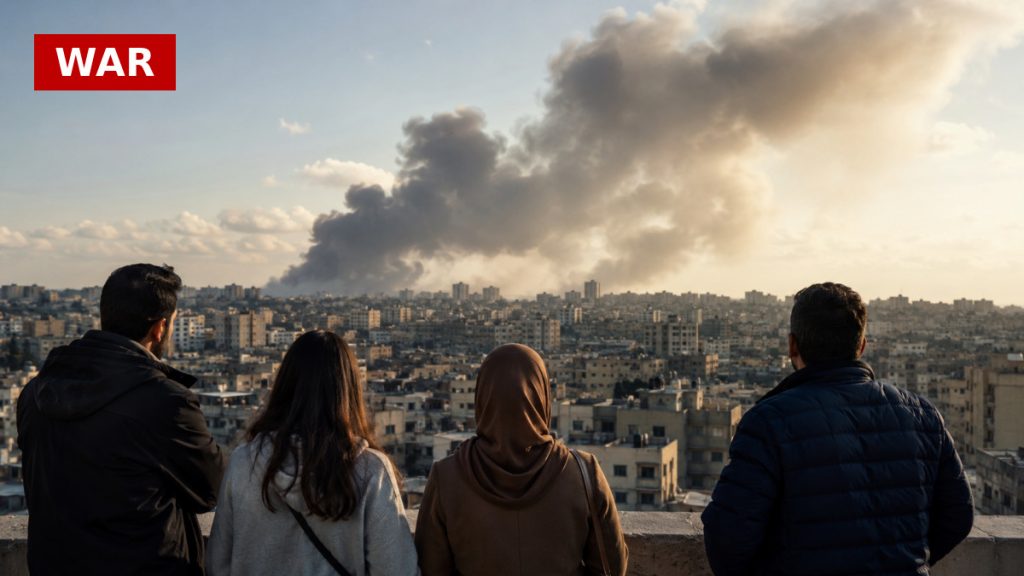
Israeli troops have made a significant advance by capturing Beaufort Castle in southern Lebanon, marking the deepest military incursion into the country in over 25 years. This move follows intense fighting with Hezbollah militants and comes amid ongoing tensions that have escalated since the conflict reignited in March. The castle, a historic site, has been a strategic military asset for centuries, and its capture signals a shift in Israel’s military strategy in the region.
The implications of this incursion extend beyond the battlefield. Israel’s actions may provoke further retaliation from Hezbollah, which has already launched thousands of missiles in response to Israeli operations. The situation is precarious, with a nominal ceasefire in place, and the potential for increased violence could destabilise not only Lebanon but also impact Israel’s northern border security.
For ordinary citizens in the UK, this conflict may seem distant, but it underscores the fragility of peace in the Middle East and the potential for global repercussions. Increased military actions can lead to heightened oil prices and affect international markets, which could indirectly impact household budgets and living costs in the UK.
As the situation develops, it is crucial to monitor how international responses, particularly from the UN and European nations, will shape the future of this conflict. The ongoing military operations and their consequences may lead to shifts in diplomatic relations and security policies that resonate far beyond the immediate region.
Source: PBS News