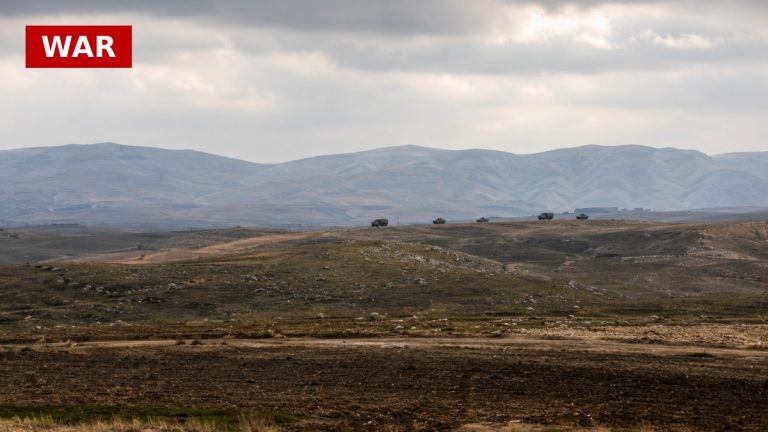
The recent Israeli air strike that killed Brigadier-General Abdel-Nasser Al-Maqadma, head of the Hamas-led police in northern Gaza, underscores a critical escalation in the ongoing conflict. This targeted attack not only eliminates a key figure in Hamas’s governance but also signals Israel’s intent to disrupt the operational capabilities of Hamas within the region.
In addition to Al-Maqadma, the strikes resulted in the deaths of five other Palestinians, including a medic and a high school student, highlighting the collateral damage often associated with military operations in densely populated areas. Such incidents raise serious concerns about civilian safety and the humanitarian implications of ongoing military actions.
The Israeli military justifies these strikes by alleging that many members of the Hamas police force are linked to armed activities, suggesting a broader strategy to weaken Hamas’s influence. However, Hamas claims these attacks are aimed at destabilizing the region further, violating the ceasefire agreement brokered by the US in October.
Since the ceasefire, over 1,180 Palestinians have reportedly been killed, predominantly civilians, while only four Israeli soldiers have died in the same timeframe. This disparity in casualties raises questions about the effectiveness and morality of the military strategy employed by Israel, as well as the long-term consequences for peace in the region.
Source: Al Jazeera