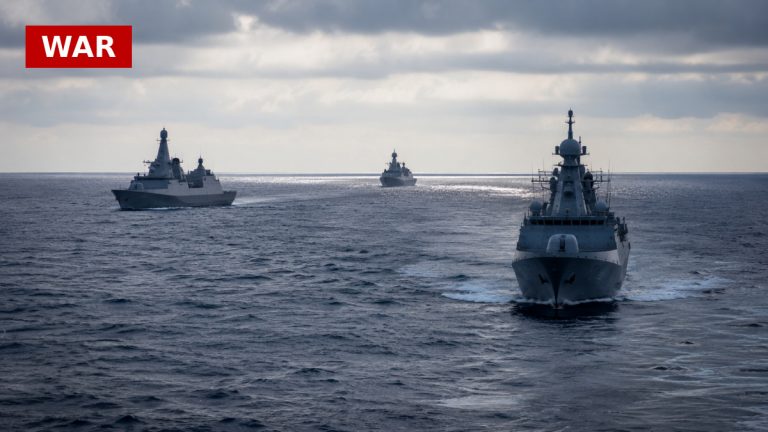
Turkish and Somali forces have successfully freed the MV LUTUF, a vessel hijacked by pirates off the coast of Somalia. The operation, lasting ten days, resulted in the deaths of 14 alleged pirates and the destruction of four of their boats. This military action underscores a significant resurgence in piracy in the region, with reports indicating at least 15 attacks this year, the highest since 2013.
The MV LUTUF was seized on August 17, and the joint operation was part of a defense cooperation agreement between Turkey and Somalia. While the wellbeing of the crew remains unclear, the successful recovery of the vessel highlights the ongoing threats to international shipping in the Horn of Africa, a region already facing challenges from geopolitical tensions.
The resurgence of piracy not only poses risks to shipping routes but also complicates maritime security in the Middle East. Vessels are navigating through increasingly dangerous waters, including the contested Strait of Hormuz and areas affected by Houthi attacks. The rise in piracy along both the Somali and West African coasts adds layers of risk for commercial shipping.
As piracy re-emerges, it raises concerns about the effectiveness of existing maritime security measures and the potential need for renewed international naval presence to safeguard shipping lanes vital for global trade.
Source: DW News