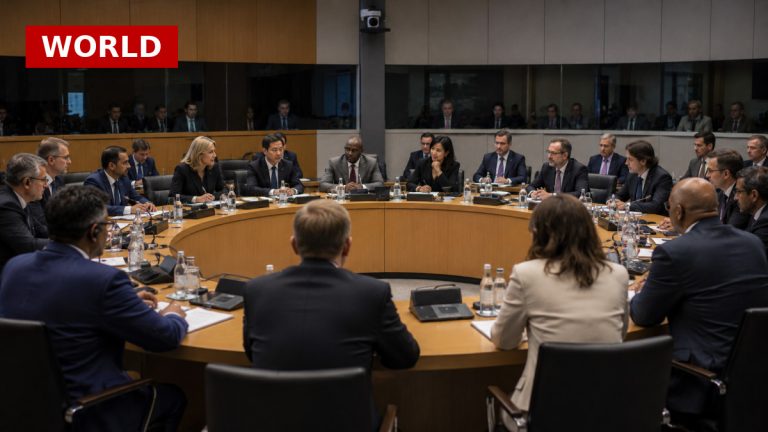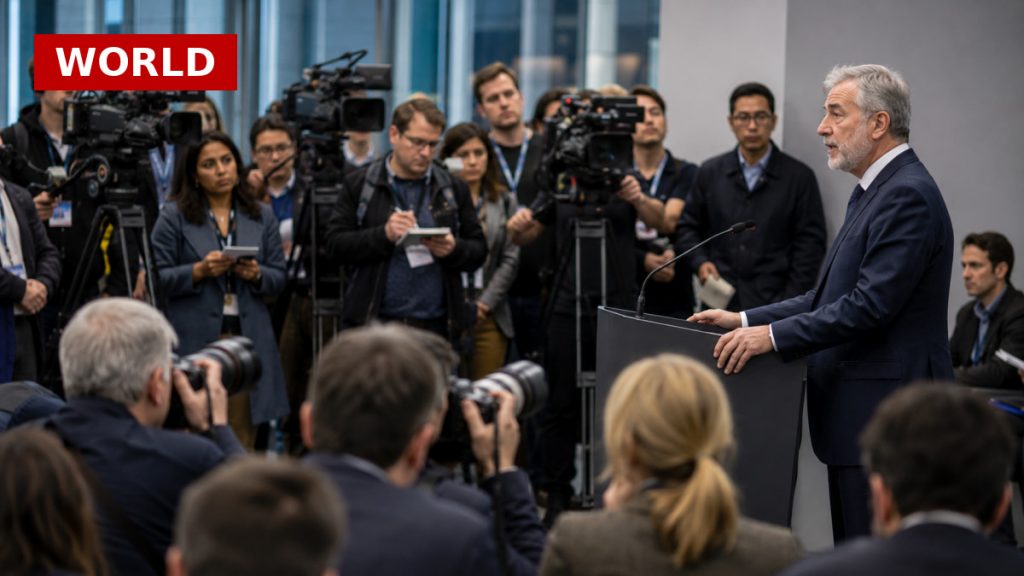
Kazakhstan’s snap parliamentary election is set to reinforce President Kassym-Jomart Tokayev’s authority, with only state-approved parties allowed to participate. This election follows significant constitutional changes that have streamlined the legislative process, abolishing the upper house and creating a unicameral parliament. While officials claim this reform will enhance parliamentary power, critics argue it merely consolidates Tokayev’s grip on power.
With over 12 million eligible voters, the election will establish a new 145-member legislature dominated by Tokayev’s supporters. The president, who has been in power since 2019, reset term limits earlier this year, allowing him to potentially remain in office until 2029. This move raises concerns about the future of democratic processes in Kazakhstan.
The backdrop of this election includes Tokayev’s response to the 2022 protests, which resulted in significant unrest and loss of life. His administration has since promoted a reform agenda called “Just Kazakhstan,” but many remain skeptical about its genuine intent.
Kazakhstan’s strategic position as an oil-rich nation, balancing relations with China, Europe, and Russia, adds complexity to its political landscape. As Tokayev navigates these international relationships, the implications of this election extend beyond domestic politics, potentially affecting global energy dynamics and regional stability.
Source: Al Jazeera