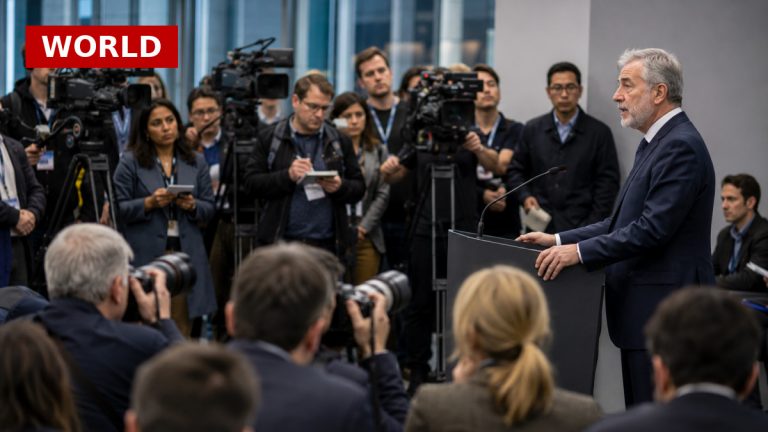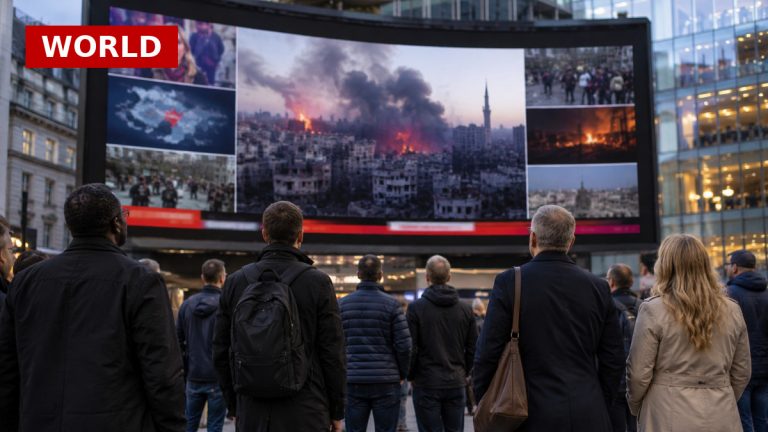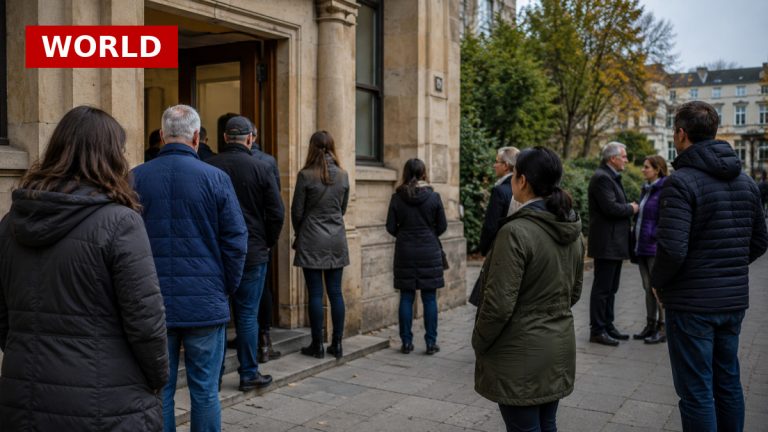
Voters in Kosovo are heading to the polls for the third time in less than 18 months, a response to a political deadlock that has left the country without a stable government. The failure of major parties to agree on a new president has exacerbated economic challenges, particularly in light of rising fuel prices and the global energy crisis.
The current political landscape is dominated by Prime Minister Albin Kurti’s Vetevendosje party, which holds a parliamentary majority. However, the election of a president requires broader consensus, highlighting the fragmented nature of Kosovo’s political scene. This ongoing instability has delayed access to crucial EU funds, further impacting the economy.
As Kosovo strives for EU and NATO membership, the inability of political leaders to compromise has led to widespread voter frustration. Many citizens express a desire for change, hoping this election will finally bring stability and allow the government to focus on improving living standards.
The outcome of this election is critical, not just for Kosovo’s internal governance but also for its international relations, particularly with Serbia and its allies. Analysts suggest that while significant changes are unlikely, the election could still serve as a pivotal moment for Kosovo’s future direction.
Source: PBS News