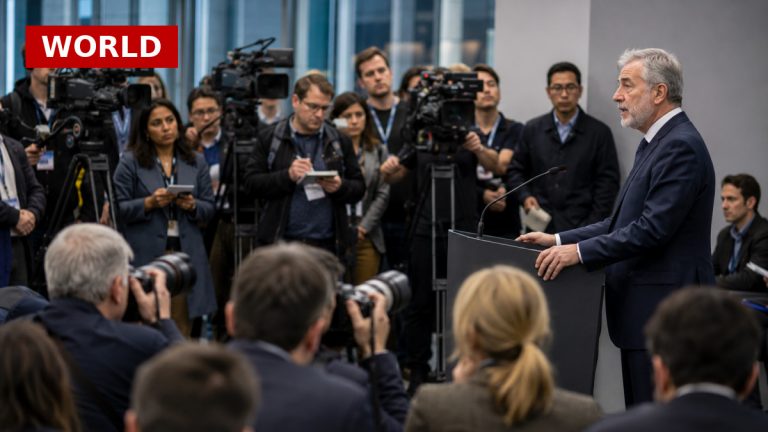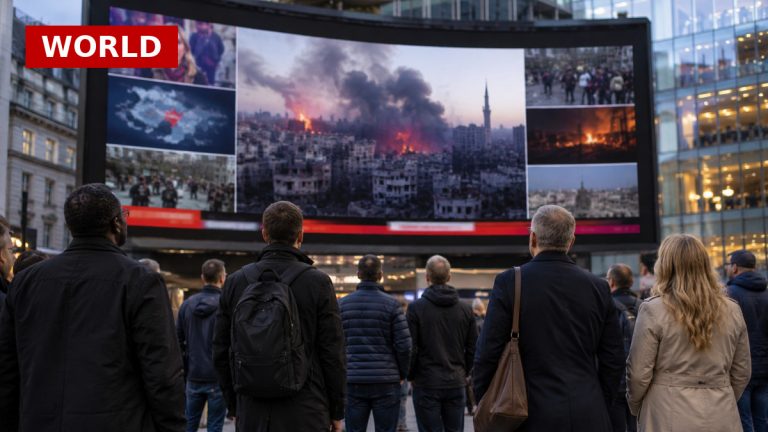
In the recent snap election in Kosovo, Prime Minister Albin Kurti’s party, Vetevendosje, emerged as the largest force but fell short of a majority, indicating ongoing political instability. With only 43% of the vote, coalition negotiations are now essential, which could prolong the political deadlock that has plagued the country for months. This situation is compounded by a low voter turnout of just 37%, reflecting widespread frustration among citizens who feel disillusioned by repeated elections that yield similar results.
The inability of political parties to collaborate across divides has led to a systemic crisis, with experts warning that Kosovo’s institutions are on the brink of collapse. The political turmoil is exacerbated by rising living costs, which are particularly burdensome in one of Europe’s poorest nations. Voters are increasingly concerned about the financial implications of frequent elections, with costs skyrocketing to over 10 million euros for this latest vote alone.
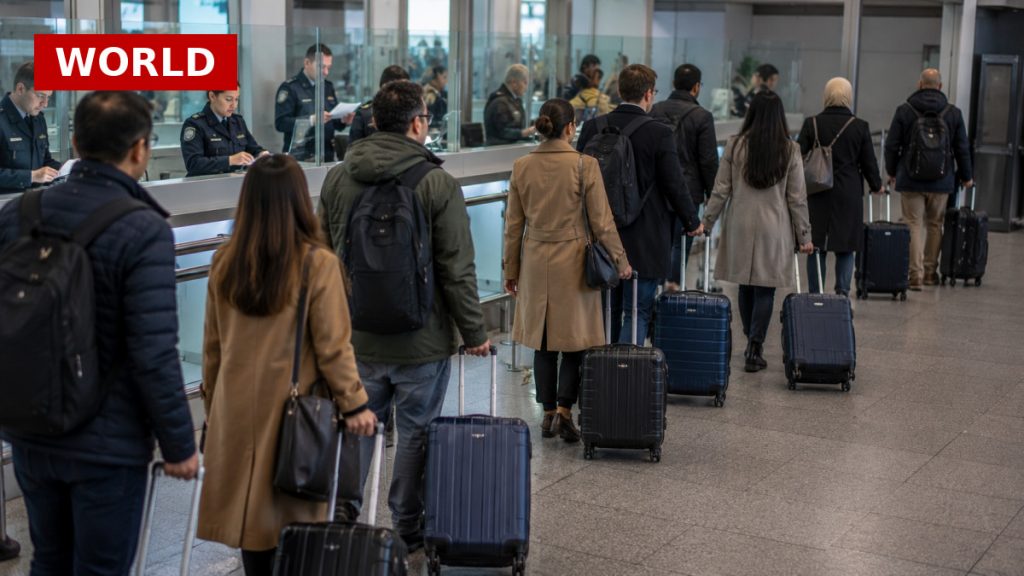
As the political landscape remains fragmented, the potential for effective governance appears bleak. Citizens are calling for a shift in focus from power struggles to addressing pressing economic issues. The ongoing crisis may lead to further emigration of the youth, leaving behind an aging population and exacerbating the challenges facing the country.
In light of these developments, the future of Kosovo’s governance hangs in the balance, with coalition talks likely to be contentious and the prospect of stability uncertain. The implications for everyday life, particularly regarding economic conditions and public services, are significant as the nation grapples with its political identity and direction.
Source: France 24