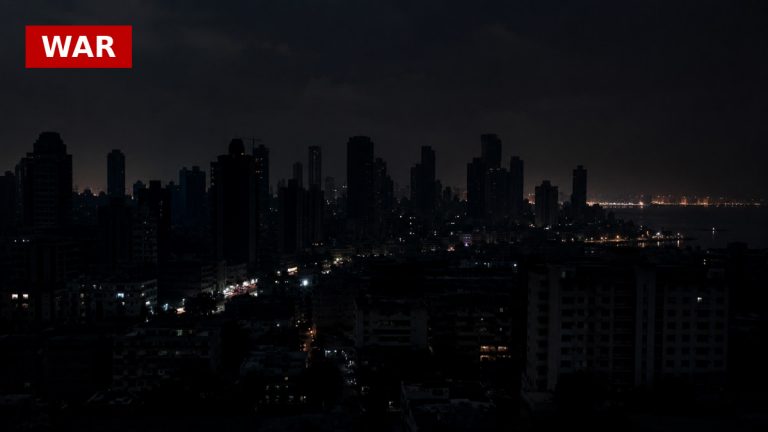
Kyiv has experienced one of the most significant missile attacks in its ongoing conflict with Russia, with around 40 ballistic missiles striking the city over five hours. This assault, which resulted in at least one death and several injuries, underscores the escalating threat to urban areas as Russia intensifies its military operations. The attack not only caused immediate destruction but also highlighted vulnerabilities in Ukraine’s air defence capabilities, with 18 missiles reportedly intercepted.
The timing of this assault coincides with rising domestic unrest in Ukraine, particularly following President Zelenskyy’s controversial decision to dismiss the defence minister. This political turbulence may hinder the country’s ability to respond effectively to military threats, as public confidence in leadership is shaken. The protests reflect a broader concern about military preparedness and the effectiveness of Ukraine’s defence strategy.
Moreover, the attack raises urgent questions about the supply of anti-ballistic missile systems from international allies. With Ukraine’s own stockpiles dwindling, the pressure mounts on foreign partners to expedite military aid. President Zelenskyy has emphasised the critical need for interceptors, indicating that the situation is becoming increasingly dire as attacks grow more frequent.
As the conflict continues, the implications of such missile strikes extend beyond immediate casualties. They threaten to destabilise not just Kyiv but also the broader geopolitical landscape, potentially affecting international support and military strategies in the region. The ongoing violence serves as a stark reminder of the war’s toll on civilians and the urgent need for effective defensive measures.
Source: The Guardian