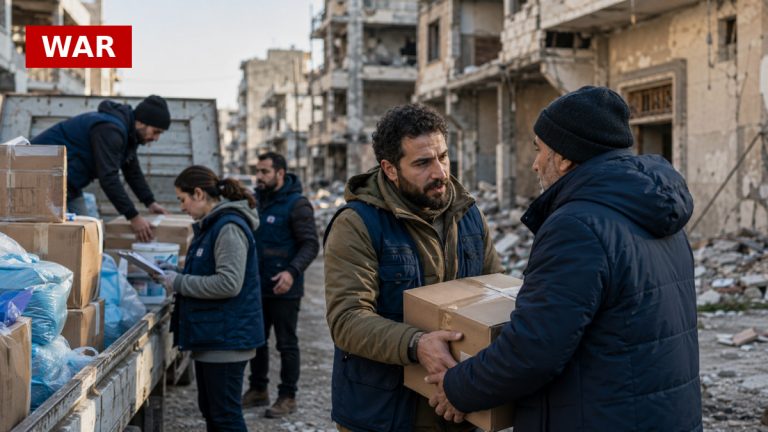
The recent aerial bombardments of Kyiv by Russian forces have escalated significantly, marking six consecutive days of attacks. This relentless assault has not only resulted in the tragic loss of at least 12 lives but has also severely disrupted daily life for millions of residents. As schools reopen, the psychological toll on children and families is profound, raising concerns about long-term mental health implications in a war-torn society.
The strikes, which targeted civilian infrastructure and residential areas, are part of a broader strategy to instill fear and undermine morale among Ukrainians. This tactic aims to weaken support for Ukraine from its Western allies by demonstrating Russia’s capability and willingness to inflict civilian casualties. The ongoing violence serves as a grim reminder of the war’s brutality, with implications for international diplomatic efforts and humanitarian responses.
Moreover, the attacks have highlighted vulnerabilities in Ukraine’s air defense systems, as the use of advanced drones and missiles complicates interception efforts. This situation may prompt further military aid from Western nations, potentially altering the dynamics of the conflict. As the war drags on, the need for robust support systems for affected civilians becomes increasingly urgent.
In response to the escalating violence, Ukrainian President Volodymyr Zelenskyy has warned that the skies over Russia are no longer safe for civilian aircraft, indicating a shift in the conflict’s operational landscape. This development could have significant repercussions for international air travel and trade, as well as for the broader geopolitical climate in the region.
Source: PBS News