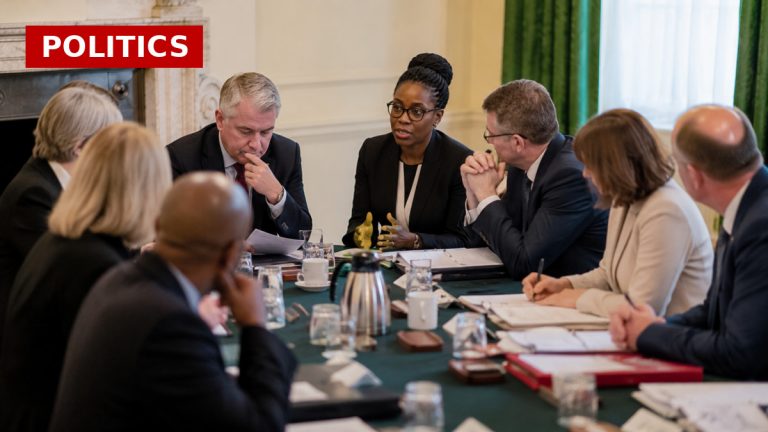
The Labour Party is facing a significant leadership crisis as Prime Minister Sir Keir Starmer’s authority is increasingly questioned by his own MPs. A growing number of Labour representatives have publicly expressed their lack of confidence in his leadership, leading to a split within the cabinet about his future. This internal turmoil raises concerns about the party’s stability and its ability to effectively challenge the government.
The current unrest within Labour is not just a political issue; it has potential implications for the broader UK political landscape. If Starmer is forced to resign or if a leadership contest ensues, it could lead to a period of uncertainty that distracts from pressing issues like the economy and public services. This instability may hinder Labour’s ability to present a united front against the ruling party, impacting their electoral prospects.
For the average UK citizen, this situation could mean a lack of clear opposition to government policies, which may affect public services and economic decisions. If Labour struggles to regain its footing, it could lead to prolonged governance by the current administration, potentially stalling reforms that could benefit households.
Looking ahead, observers should monitor Labour’s internal dynamics closely. Key signals will include any resignations from Starmer’s cabinet and the emergence of potential leadership candidates. These developments will be crucial in determining not only the party’s future but also the political climate in the UK as a whole.
Sources
BBC News