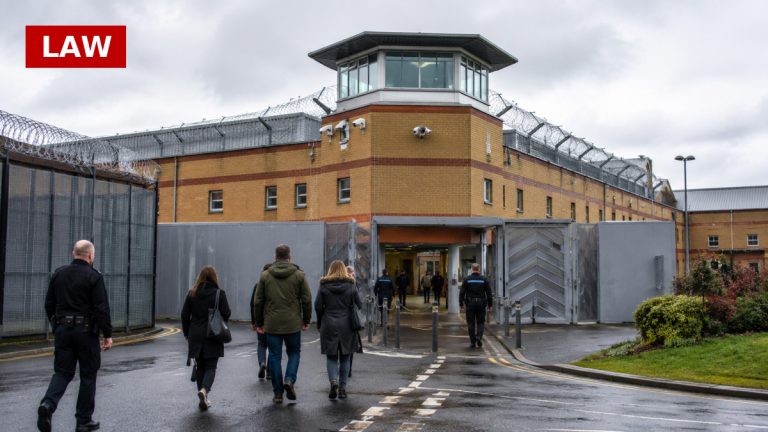
Lebanon has made a significant legal shift by becoming the first country in the Middle East to abolish the death penalty. This landmark decision, passed by the parliament, replaces capital punishment with life imprisonment, accompanied by aggravated hard labour. While Lebanon has not carried out executions since 2004, the formal end to the death penalty marks a pivotal moment in the country’s human rights journey.
Justice Minister Adel Nassar hailed the vote as a ‘historic step’ for Lebanon, aligning it with a growing global trend towards the abolition of capital punishment. Rights groups, including Amnesty International, celebrated this move as a major victory for human rights, asserting that it provides lasting legal protection for the right to life.
However, the practical implications of the new law raise questions. The enforcement of aggravated hard labour remains unclear, especially given Lebanon’s ongoing economic struggles and overcrowded prison conditions. Previous hard labour sentences have been infrequently enforced, raising concerns about the law’s actual impact on the penal system.
This legislative change comes alongside discussions of a broader amnesty law that could significantly alter the sentences of those convicted of violent crimes. This dual legislative approach highlights the complexities of justice in Lebanon, particularly as families of victims seek accountability for past violence while the state navigates its human rights commitments.
Source: Al Jazeera