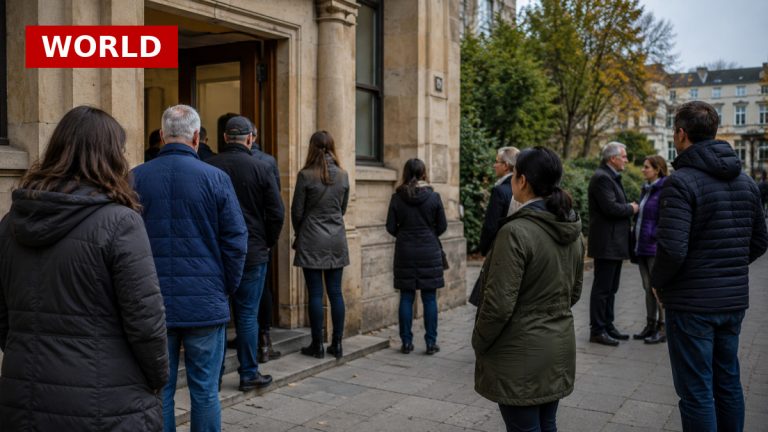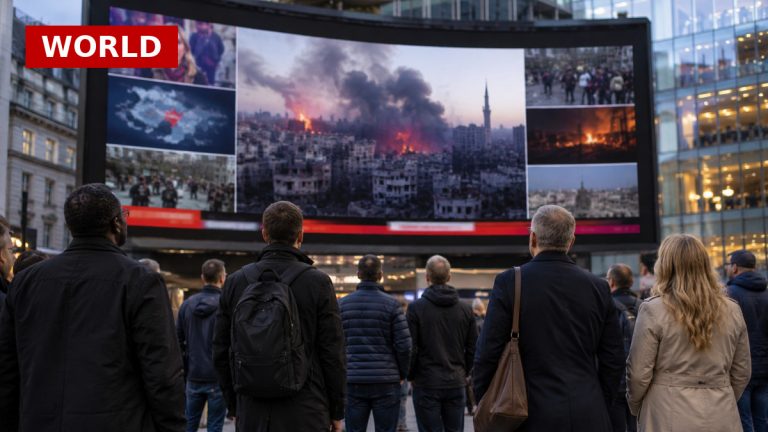
In Tripoli, hundreds of Libyans protested outside the UN refugee agency’s headquarters, expressing their discontent with the presence of undocumented migrants in the country. The demonstrators accused the UN of attempting to settle these migrants in Libya, a claim the agency has firmly denied. This protest reflects a growing sentiment among some Libyans who feel that the influx of migrants is exacerbating social and economic issues in a nation already struggling with instability since the 2011 uprising.
The protesters chanted slogans emphasizing their belief that ‘Libya belongs to Libyans,’ and displayed signs rejecting the notion of Libya as a refuge for migrants. This sentiment is not isolated; it is part of a broader trend where migrants, particularly from sub-Saharan Africa, are increasingly blamed for local hardships. The UN has stated that it is not resettling migrants in Libya but is instead focused on finding solutions outside the country for those fleeing conflict and persecution.
The situation is complicated by the fact that Libya is a major transit point for migrants, with an estimated 900,000 currently residing there, many of whom are Sudanese refugees. As tensions rise, the UN warns that misinformation and hate speech could lead to further violence against its staff and facilities. This protest is the largest in a series of anti-migrant demonstrations, indicating a potential shift in public opinion that could have long-term implications for both migrants and Libyan society.
As Libya grapples with its internal challenges, the protests signal a critical moment in the ongoing debate about migration policy and national identity. The UN’s role in the region is under scrutiny, and the potential for increased hostility towards migrants could reshape the landscape of humanitarian efforts in Libya and beyond.
Source: Al Jazeera