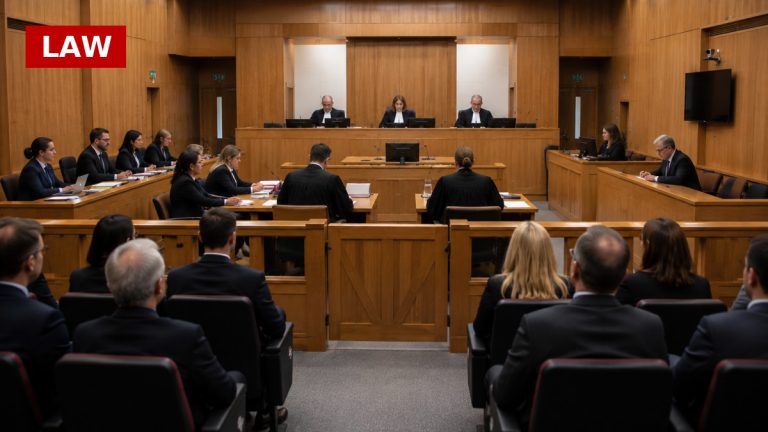
The jury in Lindsay Clancy’s murder trial remains deadlocked after five days of deliberation, unable to reach a unanimous verdict on whether she should be held criminally responsible for the deaths of her three children. This impasse highlights the complexities surrounding mental health issues in legal contexts, particularly postpartum psychosis, which Clancy’s defence argues played a significant role in her actions.
The inability to reach a verdict not only prolongs the legal process but also raises concerns about the implications for similar cases in the future. If the jury cannot agree, it may lead to a mistrial, forcing the prosecution to decide whether to retry the case, which could further complicate the legal landscape regarding mental health defences.
This situation underscores the broader societal challenges in addressing mental health within the judicial system. As public awareness of mental health issues grows, the outcomes of such high-profile cases could influence future legal standards and the treatment of defendants with mental health conditions.
As deliberations resume, the potential for a mistrial looms large, leaving many to wonder how this case might shape future discussions on mental health and criminal responsibility in the UK legal system.
Source: PBS News