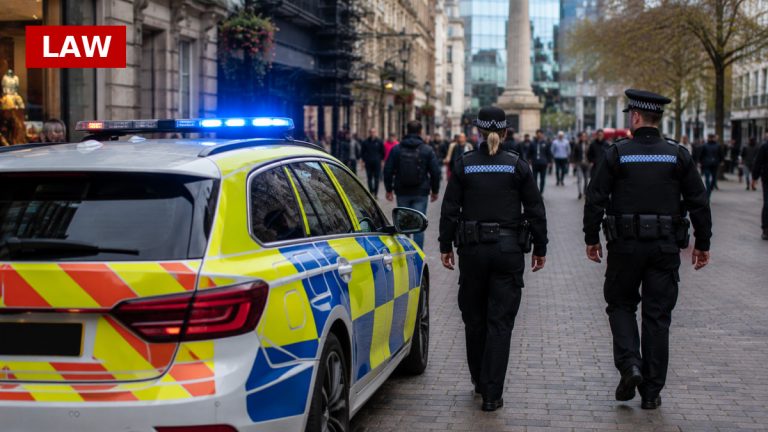
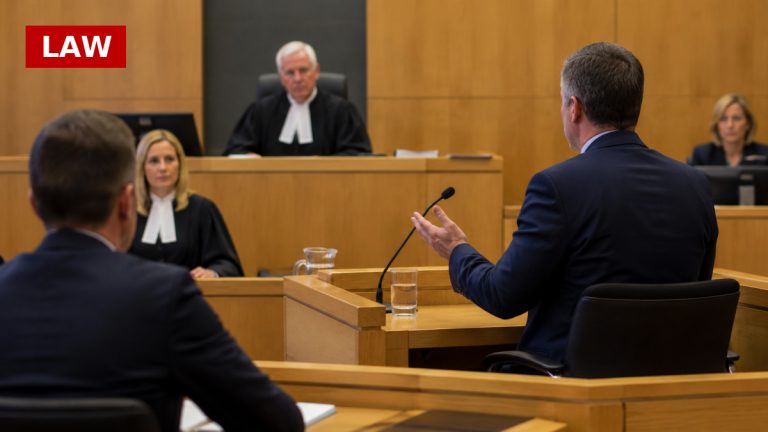
After 42 years, justice has finally been served for the murder of civil servant Anthony Littler. The case, which went cold for decades, was revived through an undercover police operation that revealed the brothers’ guilt. This highlights the potential for law enforcement to solve even the oldest cases using modern investigative techniques, which could lead to a re-examination of other unsolved crimes.
The sentencing of Michael and Anthony Stewart not only brings closure to Littler’s family but also serves as a warning to those who believe they can evade justice. The use of covert operations in this case underscores a shift in policing strategies, suggesting that authorities may increasingly rely on such methods to tackle cold cases, which could change how unsolved crimes are approached in the future.
Moreover, the case reflects societal changes since 1984, particularly regarding attitudes towards violence and the targeting of vulnerable individuals. The judge’s remarks about the brothers’ history of targeting gay men for robbery reveal a troubling aspect of the crime that resonates with ongoing discussions about hate crimes today.
As the legal system adapts to new technologies and methods, this case may inspire further investigations into long-dormant cases, potentially leading to more arrests and convictions. The implications for victims’ families and the broader community are profound, as it reinforces the idea that justice can prevail, no matter how much time has passed.
Source: BBC News