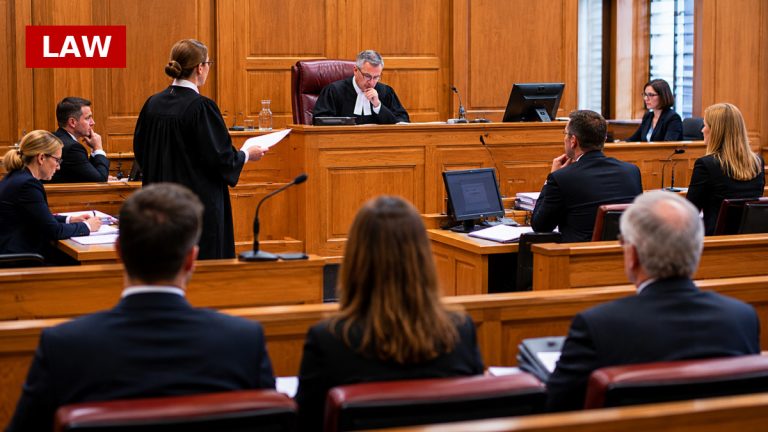
Daniela Klette, a former member of the notorious Red Army Faction, has been sentenced to 13 years in prison after being apprehended in Berlin, ending a 30-year fugitive status. Her case highlights the complexities of justice for historical crimes, particularly as she faces allegations of involvement in serious terrorist activities from the 1970s and 1990s, which are now beyond the statute of limitations.
Klette’s capture was facilitated by modern technology, specifically AI facial recognition, which matched her current appearance to an old wanted poster. This raises questions about how advancements in technology can impact law enforcement and the pursuit of justice for long-unsolved crimes.
The implications of Klette’s trial extend beyond her individual case. It reflects ongoing societal debates in Germany regarding the legacy of the RAF and how former militants are viewed today. Some see Klette as a symbol of resistance, complicating public sentiment towards her actions and the broader context of political violence.
As Klette awaits potential further charges related to her past, her story serves as a reminder of the enduring consequences of political extremism and the challenges faced by authorities in addressing historical crimes. The case may also prompt discussions about how societies reconcile with their violent pasts and the role of justice in that process.
Source: BBC News