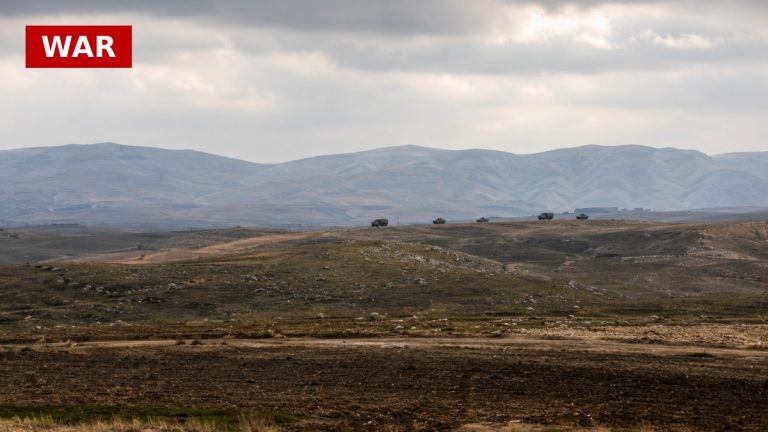
The recent military operation to retake the northern town of Anefis from Tuareg separatists has resulted in significant casualties for the Malian army, with around 30 soldiers reported killed and 60 wounded. This operation, which lasted nearly a week, underscores the ongoing security crisis in Mali, where armed groups linked to al-Qaeda have gained control over large areas of the country.
The loss of life highlights the severe risks faced by Malian forces as they attempt to reclaim territory from well-armed insurgents. The military’s struggle to maintain control in the region reflects a broader pattern of instability that has plagued Mali for over a decade, impacting not only military personnel but also civilians caught in the crossfire.
Moreover, the conflict has implications for regional security, as the Tuareg-led Azawad Liberation Front and other militant groups continue to challenge the government. Their ability to coordinate attacks indicates a level of sophistication and resilience that poses a persistent threat to Mali’s stability.
As the Malian government grapples with these challenges, the international community’s response will be crucial. The situation in Mali serves as a reminder of the complexities of modern warfare and the human cost of conflict, raising questions about the effectiveness of military strategies in addressing deep-rooted issues in the region.
Source: Al Jazeera