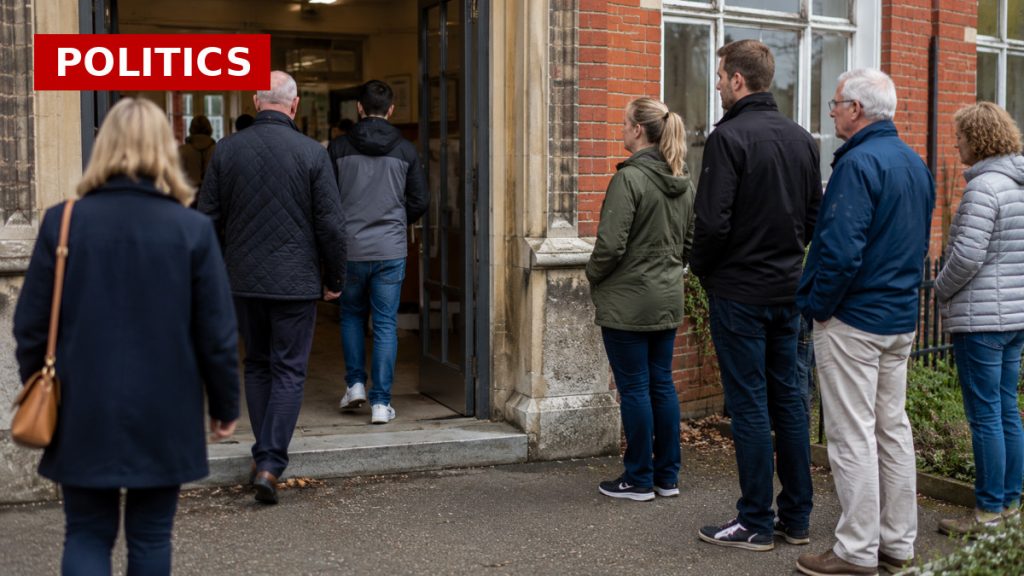
Malta’s Labour Party has achieved a historic fourth consecutive term in office, led by Prime Minister Robert Abela. This victory comes at a time when the island faces significant geopolitical and economic challenges, particularly concerning rising inflation and tourism impacts due to global crises. Abela’s campaign focused on stability and economic growth, which resonated with voters, as evidenced by an 87.4% turnout, slightly higher than the previous election.
The Labour Party’s majority, while still comfortable, appears to have narrowed compared to their previous win in 2022. This shift may indicate growing public concern over issues like corruption and the rising cost of living, which were not central to the campaign but could influence future governance. The opposition Nationalist Party acknowledged their reduced losses, suggesting a potential shift in voter sentiment.
As Malta’s economy relies heavily on tourism and financial services, the new government will need to navigate these sectors carefully. Rising aviation fuel costs and inflation could threaten the economic stability that Abela promised to uphold. The Labour Party’s ability to address these challenges will be crucial in maintaining public support.
In the context of the UK, this election outcome may serve as a reminder of how political stability can impact economic confidence. As the UK also grapples with inflation and economic uncertainty, the decisions made by Malta’s new government could provide insights into managing similar challenges at home.
Source: Al Jazeera