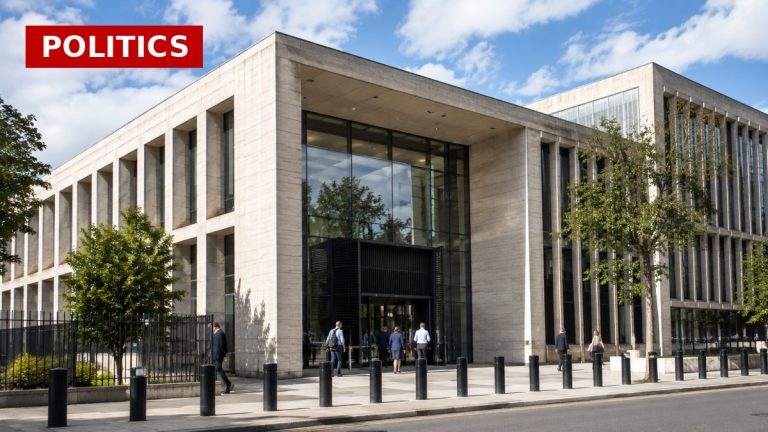
MI5 is facing accusations of ‘flagrant racism’ after announcing that its summer internship programme will only accept candidates from specific ethnic backgrounds. This decision has reignited discussions about diversity initiatives within public sector organisations, particularly in sensitive areas like national security. Critics argue that such policies may inadvertently foster division and resentment among potential applicants, particularly those from disadvantaged white backgrounds who feel excluded.
The agency defends its approach by stating that it aims to address underrepresentation within its workforce. However, this rationale raises questions about the balance between promoting diversity and ensuring equal opportunities for all applicants, regardless of race. The ongoing backlash highlights a growing concern about how diversity, equity, and inclusion measures are implemented in practice.
This situation is not isolated; it reflects broader societal tensions regarding race and opportunity in the UK. As public institutions navigate these complex issues, the implications for future recruitment strategies and public trust in these agencies are significant. The debate underscores the need for transparent and fair hiring practices that genuinely consider merit alongside diversity goals.
As MI5 continues to face scrutiny, the outcome of this controversy may influence not only its recruitment policies but also the wider conversation about race and equality in the UK. The challenge remains to find a path that promotes diversity without alienating any group of potential candidates.
Source: GB News