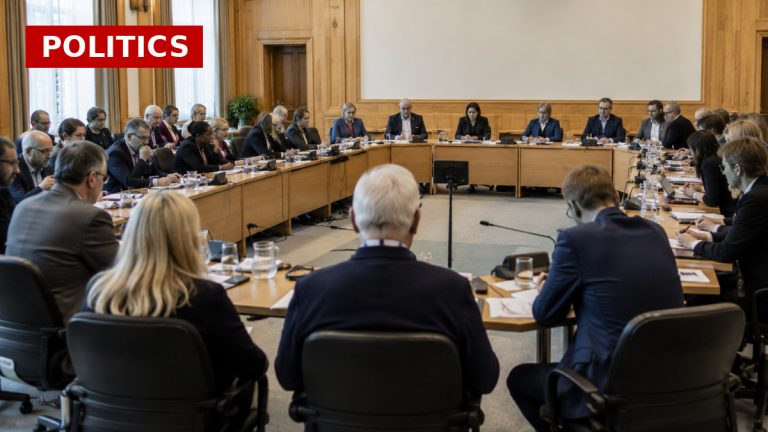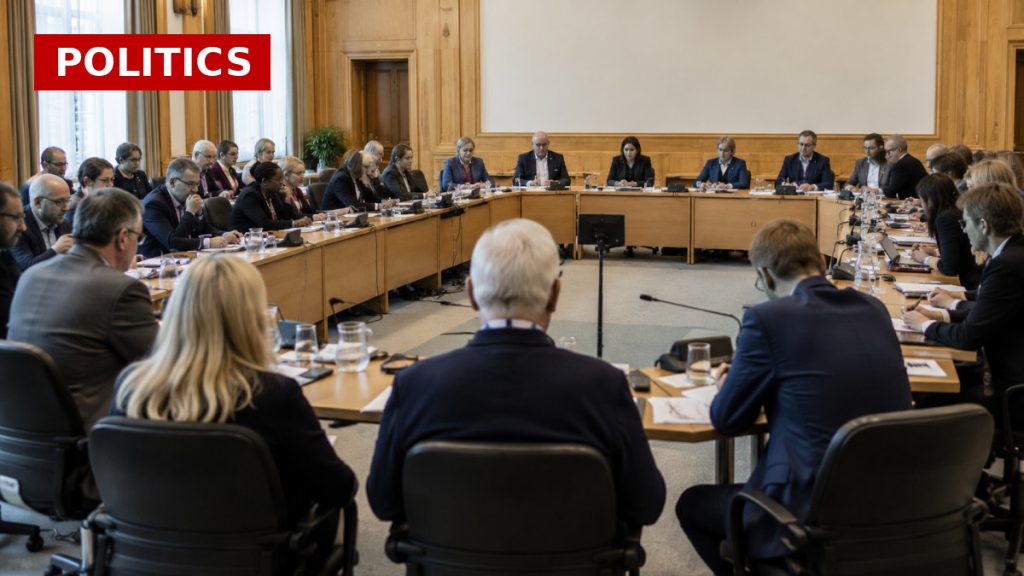
The European Union has initiated a working group to draft Montenegro’s accession treaty, signalling a significant step towards the country’s EU membership. This move, while largely technical, indicates a political commitment from EU member states that Montenegro is on a path to join the bloc, potentially by 2028.
However, the accession process is complex and may face hurdles, particularly in finalising key policy areas such as justice and home affairs. Montenegro has only closed 14 out of the necessary 33 chapters, and many of the remaining issues are challenging. This slow progress could delay the timeline for membership, impacting how the EU engages with the Western Balkans.
For the UK, this development may not seem immediately relevant, but it reflects broader EU dynamics that could influence trade and political relationships post-Brexit. As Montenegro moves closer to EU membership, the UK’s position in the region may shift, affecting economic ties and strategic partnerships.
Looking ahead, observers should monitor Montenegro’s progress in closing the remaining chapters and the EU’s response to any potential delays. The ratification process in existing EU member states will also be crucial, as it could reveal the level of support for further enlargement amidst ongoing debates about EU integration and governance.
Sources
Radio Free Europe/Radio Liberty