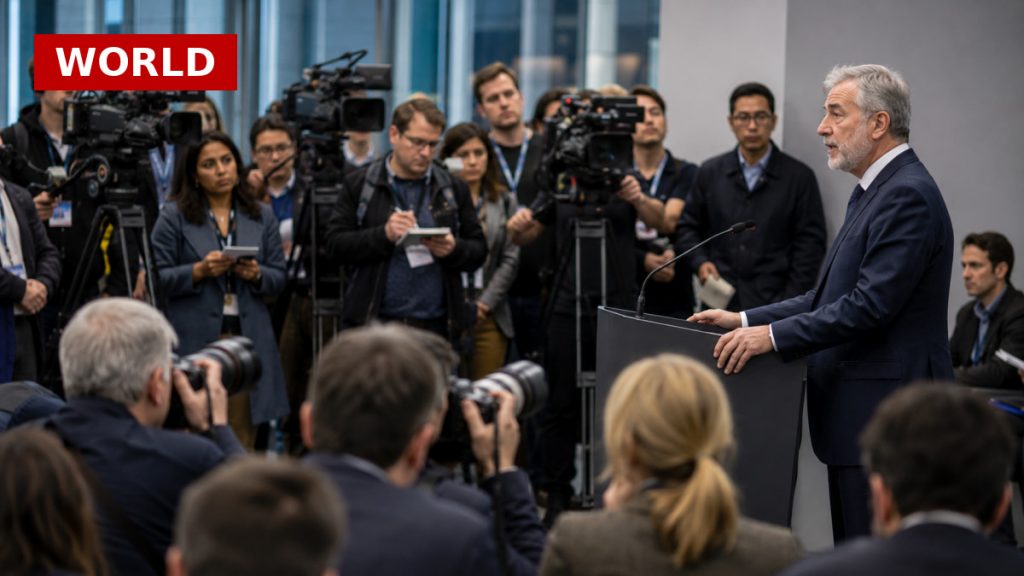
Montenegro’s Prime Minister Milojko Spajić has positioned his country as a potential catalyst for EU expansion in the Balkans. He believes that Montenegro’s successful accession could inspire other nations in the region, which have long awaited their turn to join the European Union. The optimism surrounding Montenegro’s EU membership, projected for 2028, reflects a shift in momentum that could reshape the political landscape of the Balkans.
The EU’s commitment to Montenegro is underscored by its NATO membership and pro-European stance, making it a more manageable candidate compared to larger nations. This could lead to a domino effect, encouraging other Balkan countries to accelerate their own EU aspirations. The ongoing negotiations, which have been in progress for over a decade, highlight the complexities of aligning with EU standards across various sectors.
However, significant challenges remain. Montenegro must navigate various reforms outlined by the EU, which include taxation and environmental policies. The country has completed negotiations on 14 of the 35 required clusters, but the path to full membership is fraught with obstacles that could delay progress.
The broader implications of Montenegro’s accession are profound. As EU leaders express a renewed interest in the Western Balkans, the region’s stability and integration into Europe could enhance security and economic cooperation, addressing concerns about external influences, particularly from Russia. Montenegro’s journey may not only transform its own future but also that of its Balkan neighbours, fostering a more unified Europe.
Source: Euronews