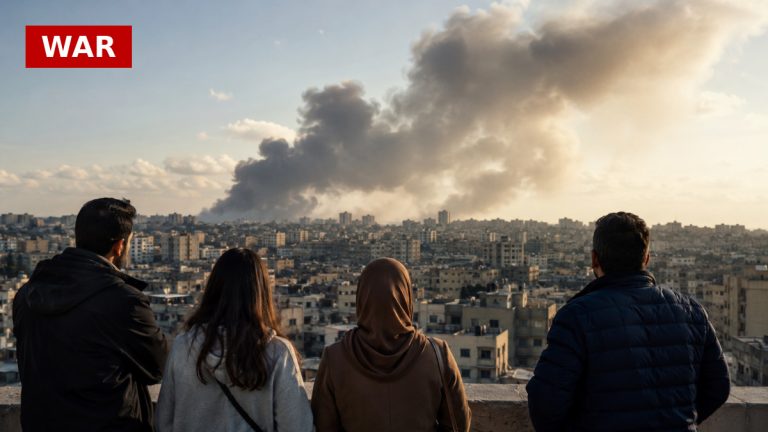
A recent bombing at an upscale restaurant in Moscow has raised significant security concerns, particularly in light of the ongoing conflict in Ukraine. The attack, which resulted in three fatalities and numerous injuries, has been labelled a ‘brutal terrorist act’ by Moscow’s mayor, Sergei Sobyanin. This incident underscores the increasing risks faced by civilians in urban areas, as well as the potential for further violence amidst heightened tensions.
The bombing occurred during a private function, suggesting that the target may have been specific individuals rather than the general public. This targeted approach could indicate a shift in tactics among those opposed to the Russian government, possibly linked to the broader geopolitical landscape shaped by the war in Ukraine. The lack of immediate claims of responsibility adds to the uncertainty surrounding the motivations behind the attack.
In response to this incident, Russian authorities are likely to intensify security measures, particularly around high-profile events and locations. This could lead to increased surveillance and a more visible police presence in Moscow, affecting daily life for residents and visitors alike. The implications of such security measures may also extend to public trust in safety and government effectiveness.
As investigations continue, the potential for retaliatory actions or further attacks remains a concern. The incident serves as a stark reminder of the vulnerabilities faced by urban centres in conflict zones, highlighting the complex interplay between domestic security and international tensions.
Source: PBS News