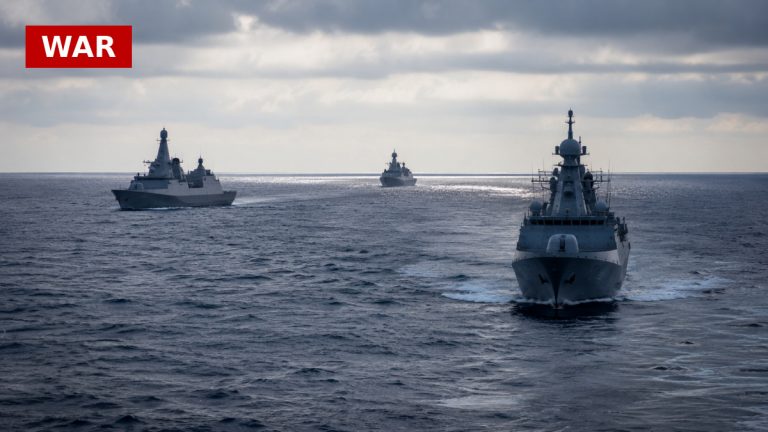
The NATO summit in Ankara is pivotal for shaping the alliance’s military future, particularly with European nations expected to announce significant increases in defence spending. This follows last year’s agreement to boost military budgets to 5% of GDP by 2035, with a focus on translating spending into tangible military capabilities. While this increase aims to enhance readiness against threats, analysts warn that the benefits may take years to materialise, highlighting a potential gap between financial commitments and operational effectiveness.
Ukrainian President Volodymyr Zelenskyy is attending the summit to seek further military support from NATO allies, especially as Russian aggression intensifies. His discussions with US President Trump are crucial, as they may influence the level of military aid Ukraine receives, particularly in air defence systems. This meeting underscores the ongoing geopolitical tensions and the alliance’s role in supporting Ukraine amidst the conflict.
The summit also serves as a platform for reaffirming unity among member states, despite underlying disagreements about defence spending and military strategy. Trump’s previous criticisms of NATO have prompted European nations to bolster their defence budgets, potentially as a means to appease US demands for increased military contributions.
As NATO navigates these complex dynamics, the outcomes of the summit could have long-lasting effects on European security and military cooperation. The focus on defence spending and capability development reflects a broader trend of increasing military preparedness in a changing global landscape, which may reshape the alliance’s future interactions and strategies.
Source: Al Jazeera