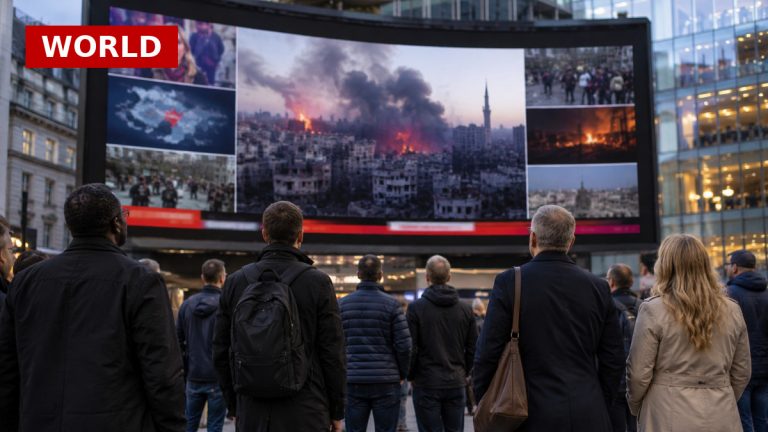
Nepal is grappling with heightened tensions following violent clashes between Hindu and Muslim communities that resulted in three fatalities. The unrest, which erupted in the Sunsari district, was sparked by a dispute over religious expressions during a Hindu procession. This incident has raised significant concerns about communal harmony in a nation where Hindus constitute about 80% of the population, yet there are substantial Muslim communities in the south.
Prime Minister Balendra Shah has called for calm, urging citizens to act responsibly and maintain peace. His appeal comes as authorities enforce curfews in affected areas to prevent further violence. The government’s response highlights the delicate balance of religious coexistence in Nepal, where such incidents can have long-lasting implications for social cohesion.
The Prime Minister’s commitment to a transparent investigation into the violence is crucial. It signals an acknowledgment of the need for accountability, which could either restore trust or exacerbate existing tensions, depending on the outcomes. The situation remains fluid, with police on high alert to manage public safety and prevent further clashes.
As the government navigates this crisis, the potential for future unrest looms large. The events in Nepal serve as a reminder of the fragility of communal relations and the importance of dialogue in fostering unity among diverse religious groups. The coming days will be critical in determining whether peace can be restored or if deeper divisions will emerge.
Source: Al Jazeera