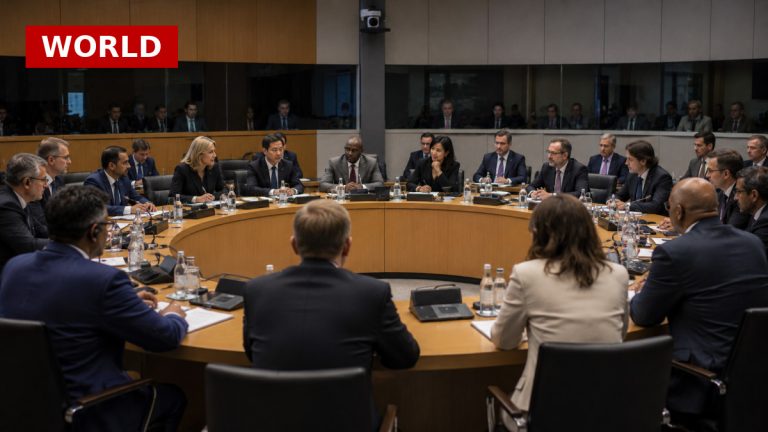
The Organization of American States (OAS) has voted overwhelmingly to convene an emergency meeting regarding Nicaragua’s political situation, highlighting a significant shift in regional diplomatic dynamics. This decision comes as Nicaragua’s government, led by Daniel Ortega, seeks to extend its rule and suppress opposition, raising alarms about the erosion of democracy in the country.
The OAS resolution, passed with a vote of 29 to 1, underscores the urgency of the situation, as it invokes provisions typically reserved for crises. The implications of this meeting could lead to increased pressure on Ortega’s regime, which has already faced international condemnation for its human rights violations and suppression of dissent.
Nicaragua’s recent constitutional reforms, which aim to extend presidential terms and restrict opposition participation, are set to be voted on in September. This could further isolate the country, especially since it officially withdrew from the OAS in 2023, complicating any potential diplomatic resolutions.
As the OAS prepares for its meeting, the international community is closely watching how these developments may affect regional stability and human rights in Central America. The outcome could influence future elections and governance in Nicaragua, with potential repercussions for its citizens and the broader geopolitical landscape in the Americas.
Source: Al Jazeera