The conflict between Israel and Hezbollah continues to escalate, with recent airstrikes in southern Lebanon resulting in civilian casualties. Despite a ceasefire, Israeli attacks persist, leading many in the region to view Hezbollah as their primary protector against these assaults. This perception is crucial as it highlights the group’s deep-rooted support among the local population, which is often overlooked in broader discussions about the conflict.
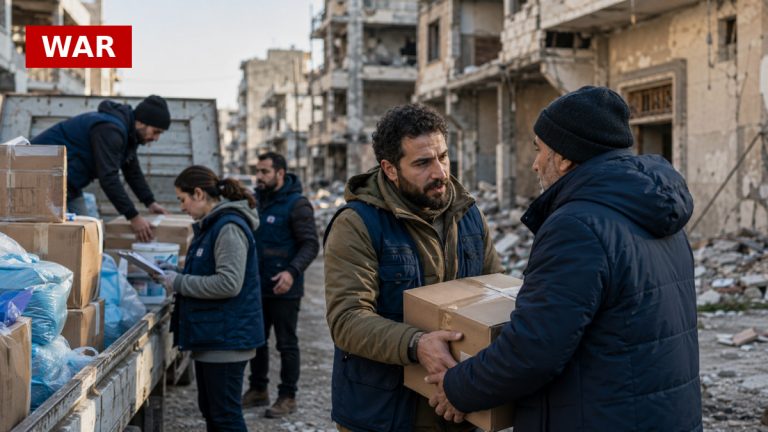
The ongoing violence has resulted in significant displacement, with over a million people affected across Lebanon. Many are living in precarious conditions, and the destruction of homes and infrastructure exacerbates the humanitarian crisis. This situation not only fuels resentment towards Israel but also strengthens Hezbollah’s narrative of resistance, complicating any potential peace efforts.
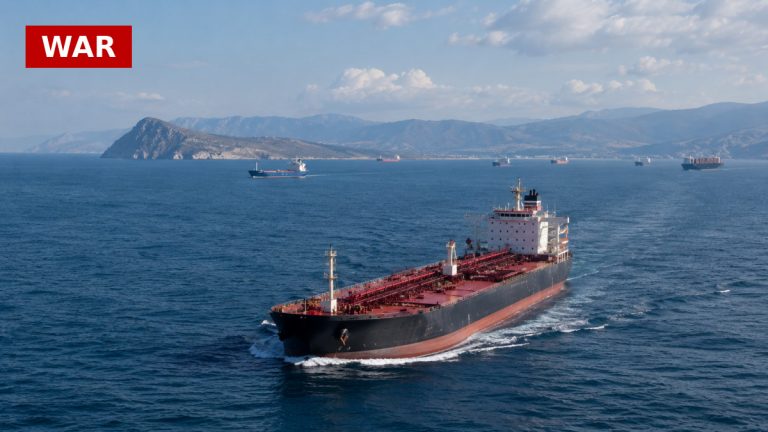
For the UK, this conflict could have indirect consequences, particularly concerning energy prices and geopolitical stability in the region. As tensions rise, global oil markets may react, impacting fuel costs for UK consumers. Additionally, the UK’s involvement in international diplomacy may be challenged as it navigates relations with both Israel and Lebanon.
Looking ahead, observers should monitor the potential for further escalations and the international community’s response. Any shifts in military strategy or diplomatic efforts could significantly influence the situation, affecting not just the region but also global markets and security dynamics.
Sources
BBC News