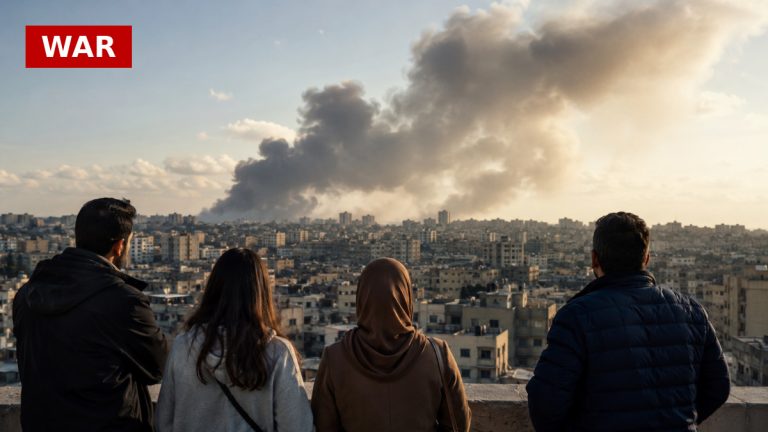
The US-Israel war on Iran has entered its sixth month, revealing significant implications for global stability and economic health. The conflict, which began with targeted strikes on Iranian leadership and military sites, has escalated into a stalemate, with both sides suffering heavy casualties and infrastructure damage. This ongoing warfare has disrupted shipping through the vital Strait of Hormuz, drastically reducing oil transport and contributing to rising global energy prices.
As the conflict continues, the economic repercussions are becoming increasingly evident. The war has already cost the US an estimated $37.5 billion, with projections suggesting total expenses could reach up to $100 billion. This financial strain is compounded by rising oil prices, which have surged by 22% since the war’s onset, affecting household budgets and global markets alike.
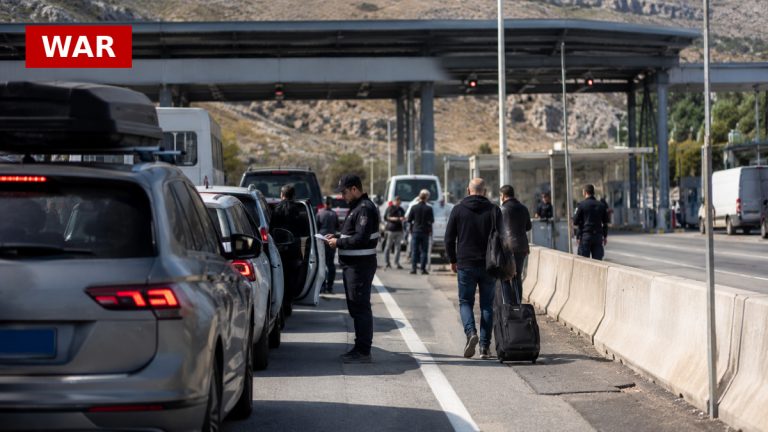
Moreover, the conflict’s impact extends beyond immediate financial costs. The ongoing instability in the region has led to a significant humanitarian crisis, with thousands displaced and casualties mounting. The situation remains precarious, as ceasefires have failed to hold, and military operations continue to escalate.
The long-term consequences of this conflict could reshape geopolitical alliances and economic strategies, particularly as nations reassess their energy dependencies and military involvements. As the situation evolves, the implications for everyday life, from fuel prices to international relations, will be felt far beyond the battlefield.
Source: Al Jazeera