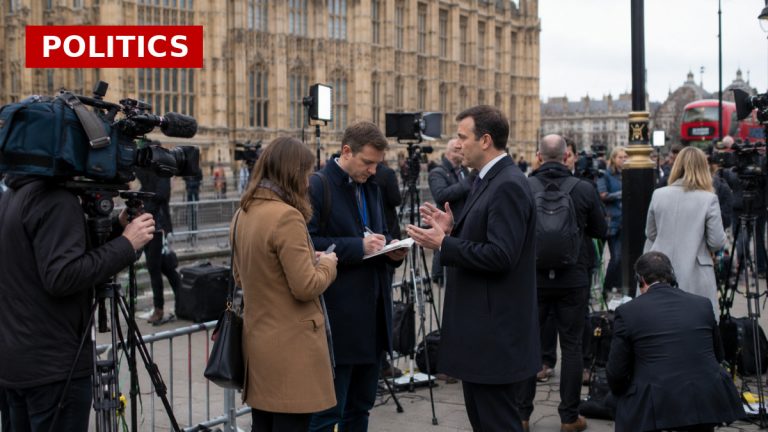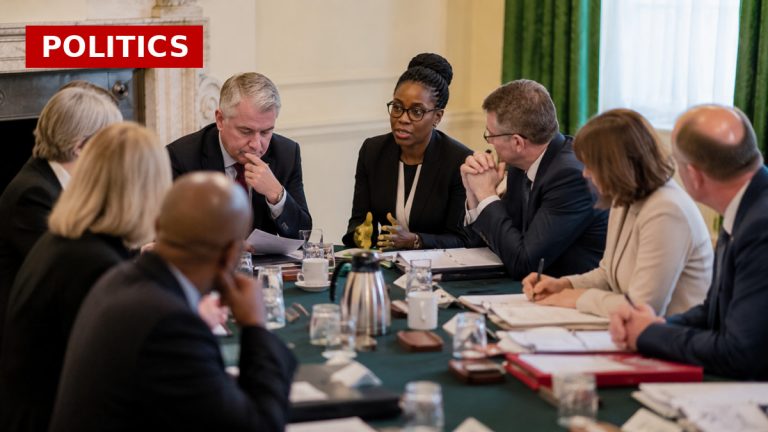
The UK has seen a rapid turnover of political leaders, with five prime ministers in just seven years, raising questions about the country’s governability. This instability is not merely a reflection of individual leaders but indicates deeper systemic issues within British politics. Factors such as economic challenges, public discontent, and a complex regulatory environment contribute to this turbulence.
The current political landscape suggests that leaders are struggling to implement policies effectively due to a combination of internal party conflicts and external pressures. Many MPs express frustration over the civil service’s perceived inability to support government initiatives, which complicates decision-making processes. This disconnect between politicians and civil servants may hinder effective governance.
For the average UK citizen, this political instability could lead to delayed or ineffective policy responses on critical issues such as healthcare, public services, and economic recovery. As leaders grapple with these challenges, the potential for significant reforms may diminish, impacting everyday life.
Looking ahead, observers should monitor how political parties address these governance challenges and whether they can unite to tackle pressing issues. The upcoming elections may further reveal the electorate’s appetite for change and the direction of future leadership.
Sources
BBC News