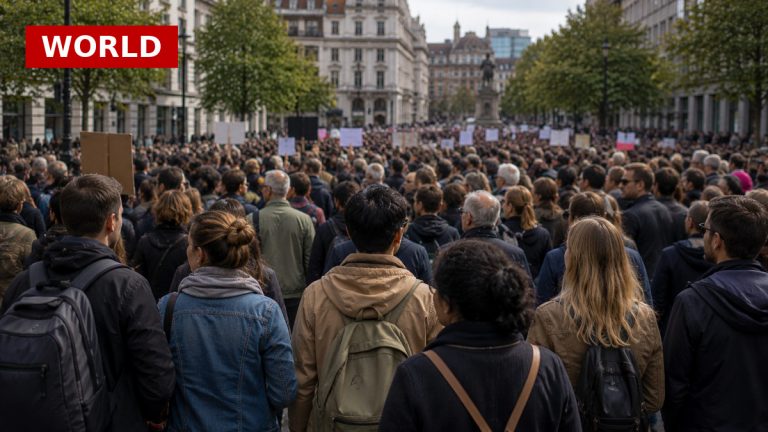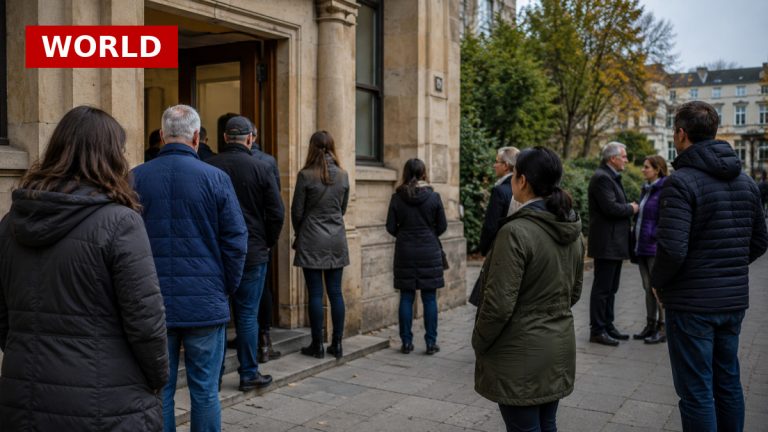
The recent general election in Kosovo, the third in just over a year, underscores the deepening political polarization between former allies Albin Kurti and Vjosa Osmani. Their split not only reflects personal ambitions but also highlights a broader institutional crisis, as the inability to elect a president has led to repeated elections. This instability raises concerns about Kosovo’s democratic consolidation and its aspirations for EU integration.
Kurti’s party, Vetevendosje, has dominated recent elections, creating a significant electoral gap that hampers effective governance. Analysts warn that without substantial changes in this election, the political stalemate may persist, further complicating Kosovo’s relationship with Western partners. Tensions, particularly in northern Kosovo, have strained ties with the EU and the US, leading to punitive measures against the government.
The ongoing deadlock in dialogue with Serbia exacerbates these issues, as Kosovo’s EU candidate status remains elusive. The EU has made it clear that progress in negotiations with Serbia is crucial for Kosovo’s European integration. Ignoring this could result in lost financial support and hinder political and economic recovery.
Moreover, the election campaign has seen a rise in aggressive political rhetoric, reflecting a shift in public discourse. This hardening of language could further entrench divisions within Kosovo society, making it even more challenging to achieve the necessary compromises for stability and progress in the region.
Source: DW News