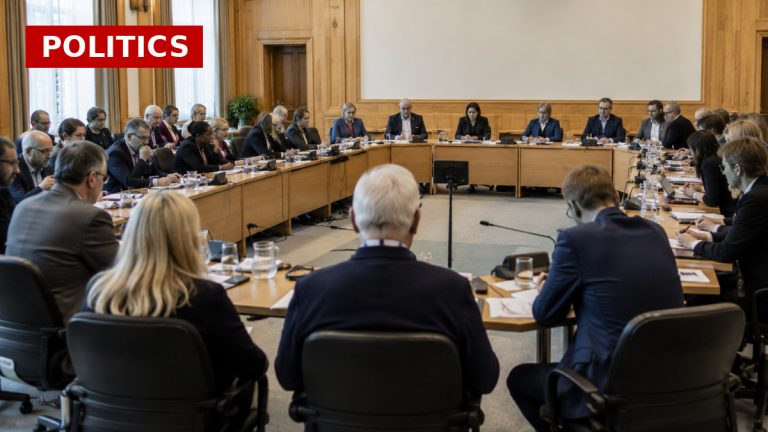
Pope Leo XIV’s recent address to Spain’s parliament marks a significant moment for both the Catholic Church and the country’s approach to migration. His call for respect for migrants’ rights and a moral renewal in public life resonated deeply, earning him a seven-minute standing ovation. This response indicates a shift in Spain’s political landscape, where the church’s influence is often viewed with skepticism due to its historical ties with Franco’s regime.
The Pope’s emphasis on the dignity of migrants aligns with Spain’s current government policies, which advocate for immigration on humanitarian and economic grounds. Prime Minister Pedro Sánchez’s push to legalize undocumented immigrants reflects a broader acceptance of migration, contrasting with trends in other European nations. This could signal a potential shift in how migration is perceived and managed across the continent.
Moreover, Leo’s remarks on international law and the ethical oversight of automated weapons systems highlight the interconnectedness of migration issues with global security and technological advancements. His insistence on dialogue and peaceful resolutions to conflicts underscores the need for a comprehensive approach to international relations, particularly in light of rising tensions in the Middle East.
As Spain navigates its political challenges, including corruption scandals and polarization, the Pope’s visit may serve as a unifying force, encouraging a more compassionate and ethical governance model. This moment could redefine the relationship between the church and state in Spain, fostering a renewed commitment to social justice and human rights.
Source: PBS News