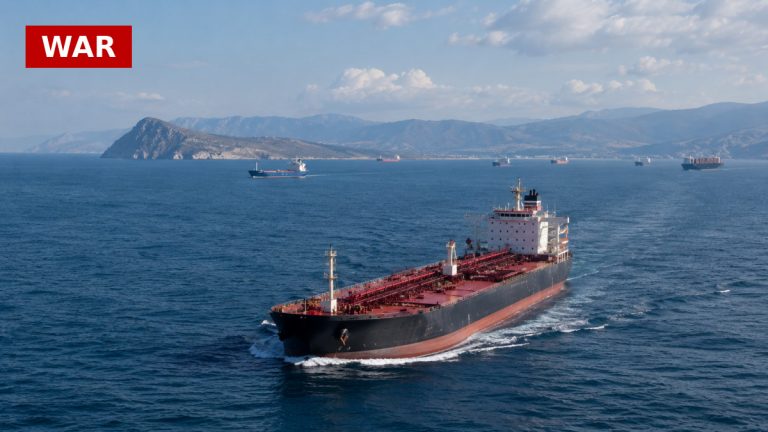
The ongoing tensions over the Strait of Hormuz, a critical chokepoint for global oil supply, may force President Trump to reconsider his hardline stance towards Iran. A potential deal could require concessions that fundamentally alter the balance of power in the region, impacting not just oil prices but also international shipping routes.
Currently, about 20% of the world’s oil flows through this strait, making any instability a cause for concern among global markets. With rising gasoline prices in the U.S. and increasing economic pressure, the urgency to reach an agreement is palpable. Experts suggest that a compromise might be necessary to avoid further escalation, which could have profound implications for global trade dynamics.
The stakes are high for Trump, who has maintained a narrative of strength. However, yielding to Iran could be perceived as a loss, complicating his political standing ahead of the midterm elections. This internal conflict highlights the broader implications of U.S. foreign policy and its effects on domestic issues, including economic stability.
As discussions progress, the potential for a shift in control over the Strait of Hormuz could redefine international relations in the Middle East and beyond, signalling a new era of diplomacy that prioritizes economic stability over military posturing.
Source: PBS News