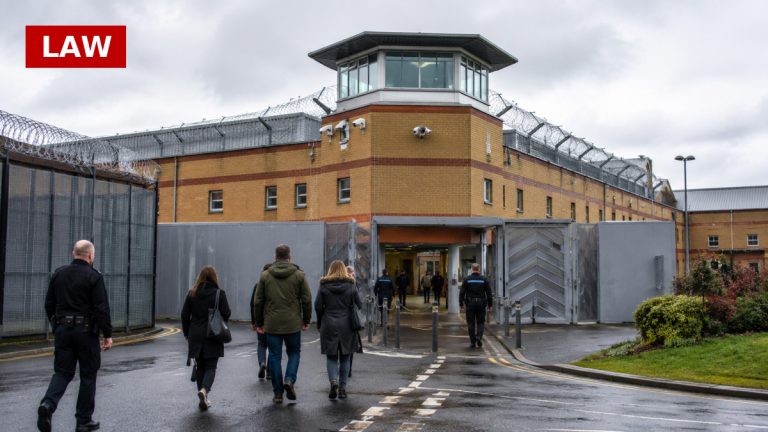
The ongoing crisis in UK prisons is drawing attention to the controversial ‘Imprisonment for Public Protection’ (IPP) sentences. These open-ended terms, handed out between 2005 and 2012, have been labelled ‘inhumane’ by the UN, as they leave prisoners in limbo without a clear path to release. Currently, over 2,000 individuals remain incarcerated under these sentences, which were intended for those deemed dangerous but have instead resulted in overcrowding and human rights concerns.
Critics argue that releasing those serving IPP sentences could alleviate the strain on the prison system. Advocates for reform suggest that these individuals, many of whom committed minor offences as youths, should be given a chance to reintegrate into society. The debate raises questions about the balance between public safety and humane treatment of offenders.
Moreover, the discussion around prison reform is intertwined with broader issues of criminal justice policy in the UK. As the government grapples with rising prison populations, the potential for policy changes could lead to significant shifts in how justice is administered, impacting not only those currently incarcerated but also future sentencing practices.
This situation highlights the urgent need for a reassessment of punitive measures in the UK, as the implications of maintaining such sentences extend beyond prison walls, affecting families, communities, and the overall justice system. The call for change is growing louder, as many believe that a more rehabilitative approach could lead to better outcomes for society as a whole.
Source: Metro