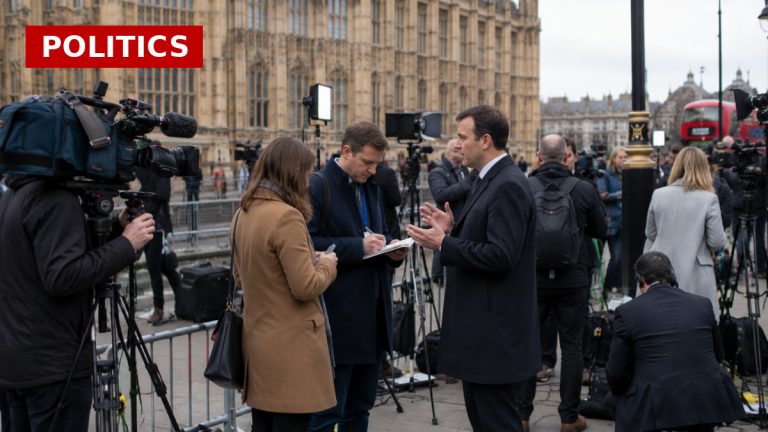
Albania is witnessing significant protests against Prime Minister Edi Rama, who has accused Iran of orchestrating cyberattacks to spread disinformation. This claim comes amid ongoing demonstrations demanding his resignation, which have evolved from opposition to a controversial tourism development project linked to Jared Kushner. The protests, now in their tenth day, reflect deeper frustrations with government policies and perceived corruption.
The protests have been strategically timed to coincide with a national anniversary, amplifying their significance. Demonstrators are not only calling for Rama’s resignation but also for the repeal of laws that they believe favour foreign investors at the expense of national interests. This movement signals a growing discontent with the Albanian government’s approach to development and environmental protection.
Rama’s allegations against Iran suggest a complex interplay of domestic unrest and international relations, potentially impacting Albania’s EU accession aspirations. The European Commission has urged the Albanian government to act swiftly to align with EU environmental standards, highlighting the urgency of the situation.
As protests continue, the implications for Albania’s political landscape and its relationship with foreign powers could be profound. The situation underscores the vulnerabilities within the Albanian governance system and the potential for external influences to exacerbate internal conflicts.
Source: Euronews