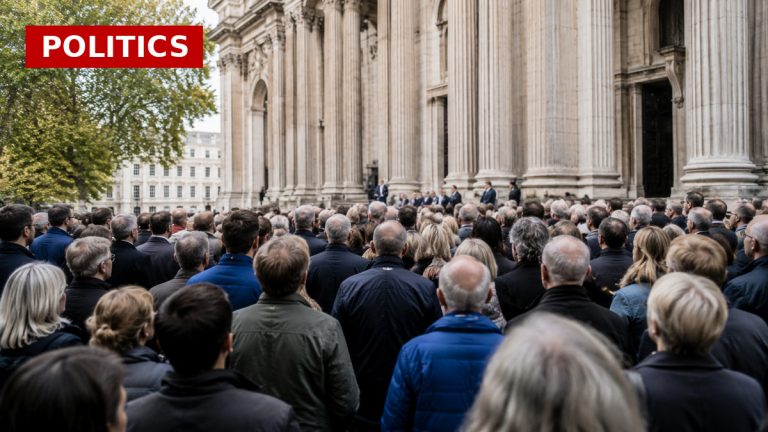
Recent protests in Dover and Portsmouth have brought the UK’s ongoing migrant crisis to the forefront, revealing deep-seated frustrations within local communities. The Labour Party has pointed fingers at the Conservative government, attributing the unrest to years of mismanagement leading up to the 2024 general election. This situation underscores a significant shift in public sentiment, as communities grapple with the implications of increased asylum seeker arrivals.
Policing Minister Sarah Jones acknowledged that the anger seen in these protests is a direct result of the chaos surrounding immigration policies. As the government attempts to address these issues, the protests signal a growing impatience among citizens who feel their concerns are being overlooked. The involvement of groups like Patriot Platform raises questions about the nature of the protests, with some branding them as far-right extremism.
The protests have not only disrupted local order but also highlighted vulnerabilities in the policing response. With law enforcement facing scrutiny over their handling of the demonstrations, the potential for further unrest looms. The situation is compounded by the fact that many residents express genuine fear and frustration, complicating the narrative around who is protesting and why.
As the government prepares for the upcoming election, the handling of the migrant crisis will likely become a pivotal issue. The protests serve as a warning sign that public patience is wearing thin, and how the government responds could have lasting implications for both policy and community relations.
Source: GB News