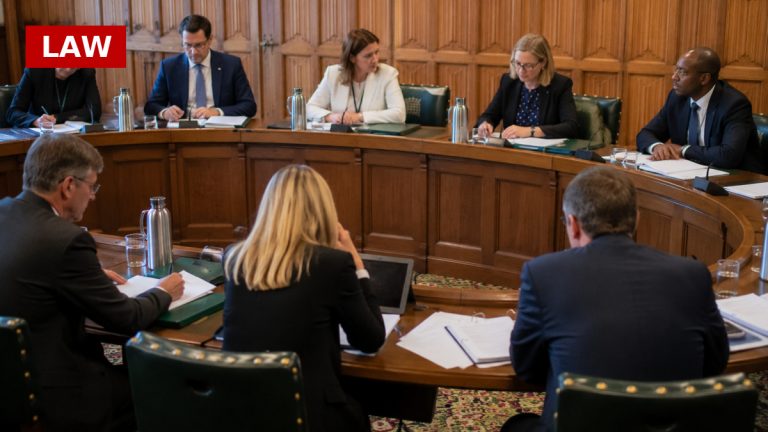
The debate over assisted dying in England and Wales is reigniting as MP Lauren Edwards seeks to reintroduce a bill that narrowly passed the Commons last year. This legislation, known as the Terminally Ill Adults (End of Life) Bill, would allow terminally ill adults to receive assistance in ending their lives, pending certain safeguards. Edwards aims to ‘finish the job’ after the previous bill stalled in the House of Lords due to amendments and time constraints.
A significant aspect of this renewed effort is the potential use of the Parliament Act, which could allow the bill to become law even if the Lords reject it again. This rarely invoked power could lead to a major shift in how assisted dying is legislated in the UK, bypassing traditional parliamentary processes. The implications of such a move could be profound, raising concerns among various health and disability organisations about the protection of vulnerable individuals.
As the conversation unfolds, the political landscape remains complex. While Labour leadership has shown support, there are voices within the party, including potential future leaders, who express caution about the timing and implications of such a law. The call for improved funding for palliative care before any legal changes is a recurring theme, highlighting the need for a balanced approach to end-of-life options.
This legislative push not only reflects changing societal attitudes towards assisted dying but also underscores the ongoing tension between ethical considerations and individual autonomy. As the bill progresses, it will be crucial to monitor how these discussions shape public policy and the healthcare landscape in the UK.
Source: BBC News