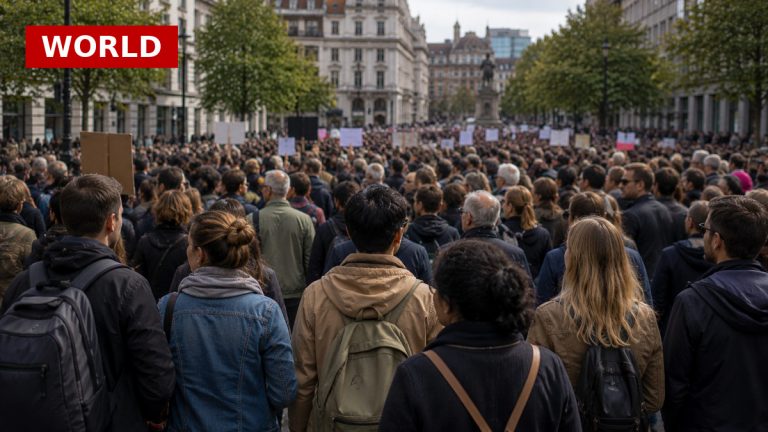
Tess Asplund’s iconic stand against a neo-Nazi march in 2016 has become a symbol of resistance, yet ten years later, Sweden faces a troubling shift. The far-right Sweden Democrats, once marginalized, are now poised to become a major political force, reflecting a broader normalization of extremist views in Swedish society.
Asplund’s experience highlights a significant change in public sentiment. Where once there was widespread condemnation of far-right ideologies, many now seem desensitized to their presence. This shift raises concerns about the implications for social cohesion and the treatment of immigrants, as political rhetoric increasingly blames them for societal issues.
The rise of the Sweden Democrats has emboldened extremist groups, creating a climate where hate crimes are more frequent and accepted. Asplund warns that the mainstreaming of such views has given a sense of impunity to violent factions, complicating the fight against racism and xenophobia.
As Sweden approaches its upcoming elections, the potential for the far-right to enter government poses a critical juncture. The outcome could redefine the nation’s values and policies, impacting the lives of many who have sought refuge and a new home in Sweden, and challenging the very ideals of equality and acceptance that the country has long championed.
Source: The Guardian