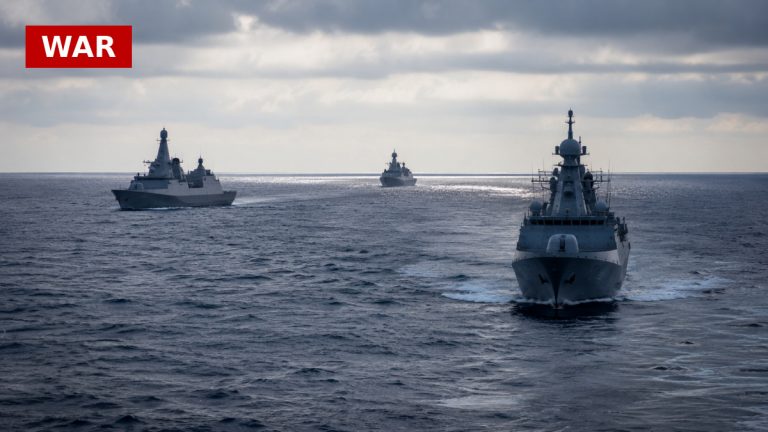
China’s recent test-launch of a ballistic missile from a nuclear submarine in the Pacific has sparked significant concern among Australia, New Zealand, and Japan. While China claims the test was routine, the implications for regional stability are far from trivial. This action is perceived as part of a broader military build-up by China, which many in the region view as lacking transparency and reassurance.
Australia’s Foreign Minister Penny Wong described the missile test as ‘destabilising,’ highlighting fears that such military activities could escalate tensions in an already volatile area. Japan echoed these sentiments, urging China to reconsider its military exercises, which they believe threaten regional peace.
New Zealand’s response was similarly critical, with officials expressing their disapproval of China potentially using the South Pacific as a testing ground for missile capabilities. This collective apprehension reflects a growing unease among Pacific nations regarding China’s military ambitions and the potential for increased military presence in their waters.
As these nations voice their concerns, the situation underscores the delicate balance of power in the Pacific and raises questions about future military engagements and alliances in the region. The long-term effects of these developments could reshape security dynamics and influence diplomatic relations across the Pacific.
Source: Al Jazeera