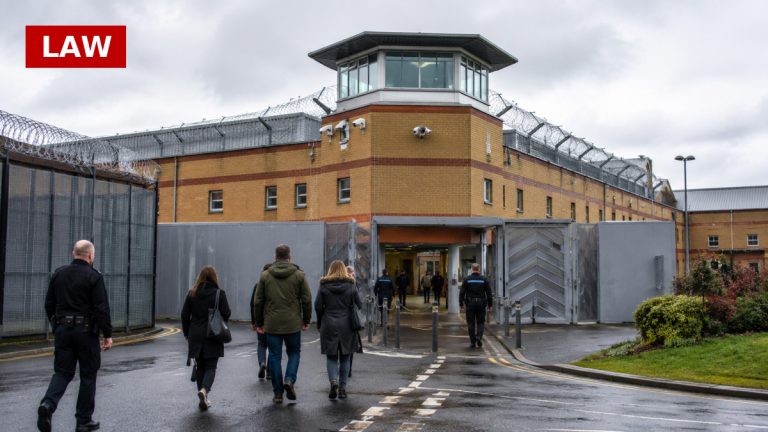
Leroy Douglas is set to be released after serving 21 years for a phone robbery, a sentence that has drawn significant scrutiny. Initially sentenced to a minimum of two-and-a-half years, his indeterminate Imprisonment for Public Protection (IPP) meant he faced indefinite detention. This case highlights the long-term impacts of IPP sentences, which were designed for serious offenders but have resulted in many serving excessive time for lesser crimes.
The implications of Douglas’s release extend beyond his personal circumstances. His case underscores the ongoing debate about the fairness of the justice system, particularly concerning IPP sentences, which were abolished in 2012 but remain in effect for those already sentenced. With around 2,271 individuals still imprisoned under IPP, the government faces pressure to address these historic injustices.
Douglas’s family has expressed concern over the conditions of his release, which include an electronic tag and being placed far from home. This raises questions about the support systems available for individuals reintegrating into society after long sentences, particularly those who have faced addiction and mental health challenges.
As Douglas prepares for his release, his family’s efforts to bring him closer to home reflect a broader need for reform in how the justice system supports rehabilitation and reintegration. The case serves as a reminder of the human cost of punitive sentencing policies and the importance of addressing the needs of those affected by them.
Source: BBC News