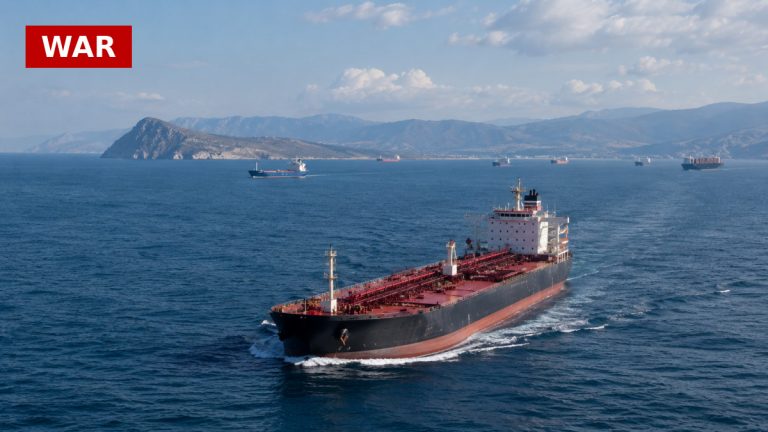
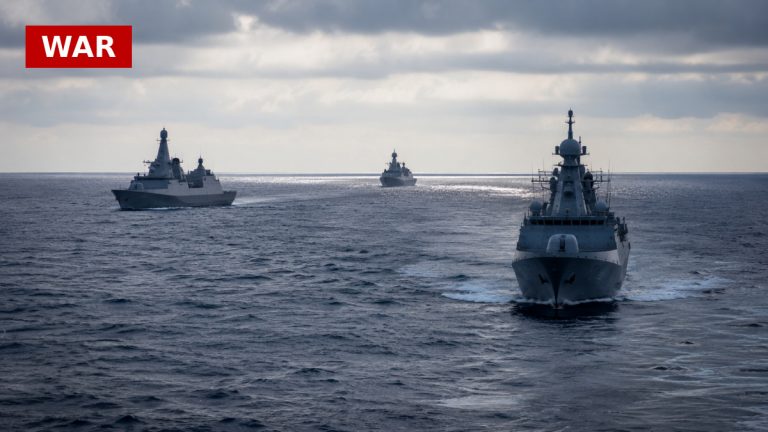
The fragile truce between Iran and the United States is increasingly at risk as both nations accuse each other of violating an interim agreement. Recent missile and drone strikes have reignited tensions across the Gulf, with Iran targeting US military sites in Kuwait and Bahrain. This escalation follows US airstrikes on Iranian positions, which were described as retaliation for earlier Iranian attacks on commercial shipping in the vital Strait of Hormuz.
The ongoing violence not only threatens regional stability but also has significant implications for global energy markets. The Strait of Hormuz is a critical corridor for oil shipments, and any disruption could lead to increased prices and economic uncertainty worldwide. The situation is compounded by the fact that both nations are engaged in delicate diplomatic negotiations, which could be jeopardized by continued hostilities.
Moreover, the conflict’s ripple effects extend beyond the Gulf, as tensions flare along Israel’s northern border with Hezbollah. This interconnectedness highlights the precarious nature of Middle Eastern geopolitics, where a single incident can escalate into broader conflict, impacting international relations and security.
As both sides continue to trade blame, the potential for a renewed military confrontation looms large. The international community is watching closely, as the outcome of this standoff could reshape alliances and influence global power dynamics in the coming months.
Source: Radio Free Europe/Radio Liberty