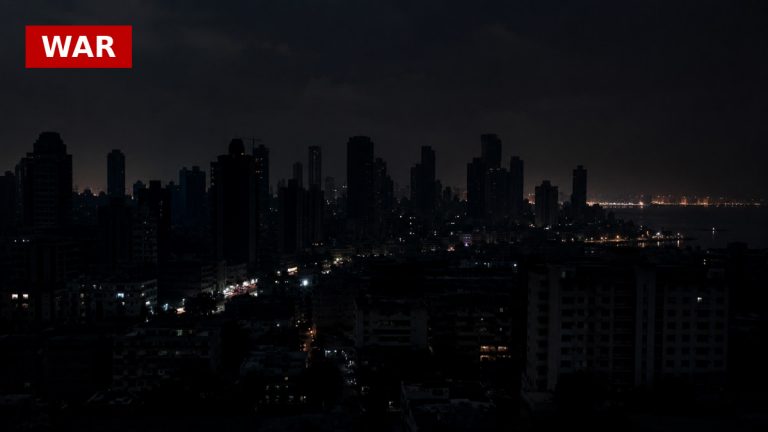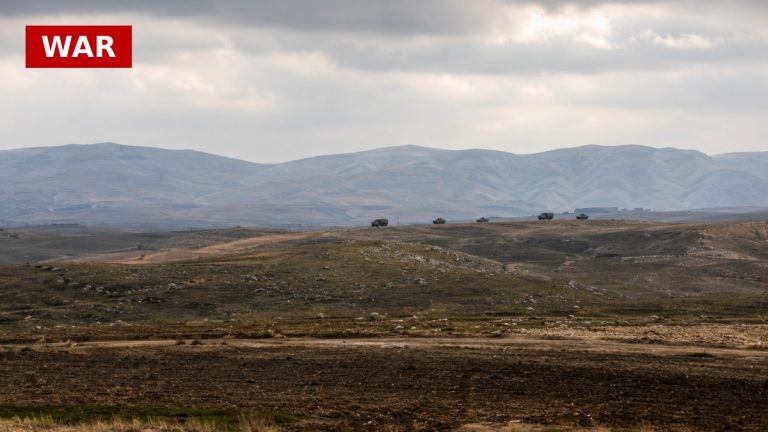
Recent coordinated attacks in Mali, led by separatist Tuareg groups and an al-Qaeda affiliate, highlight a troubling escalation in violence. These assaults targeted military positions across multiple towns, indicating a strategic shift towards more aggressive operations against the Malian army and its Russian allies. The implications of this violence extend beyond immediate military concerns, as it threatens to destabilise the already fragile governance structures in Mali.
The involvement of the al-Qaeda-linked Jama’at Nusrat al-Islam wal-Muslimin (JNIM) suggests a potential consolidation of power among armed groups, which could lead to increased territorial control and a challenge to the Malian government’s authority. Analysts warn that if these groups succeed in their objectives, it may result in a broader regional crisis, affecting not just Mali but also neighbouring countries grappling with similar insurgencies.
Moreover, the attacks signal a shift in tactics, with armed groups coordinating rather than competing against each other. This collaboration could complicate foreign military interventions, as the effectiveness of external support diminishes in the face of unified opposition. The situation raises critical questions about the future of security in the Sahel region, where instability has already led to humanitarian crises and economic challenges.
As Mali navigates this renewed wave of violence, the potential for a protracted conflict looms large. The government’s reliance on foreign mercenaries, such as the Wagner Group, has not yielded the desired security improvements, leaving civilians vulnerable and the political landscape increasingly precarious. The ongoing conflict underscores the urgent need for a comprehensive approach to address the root causes of instability in Mali and the wider region.
Source: Al Jazeera