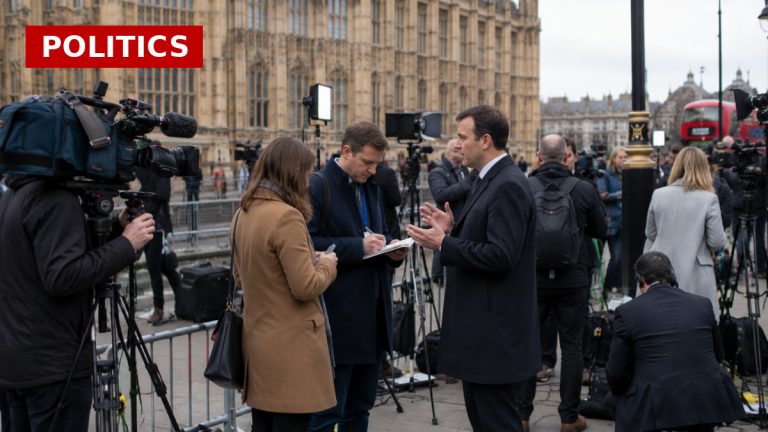
The European Parliament is undergoing significant reforms aimed at revitalising its plenary sessions, which have been criticized for their lack of engagement. Many Members of the European Parliament (MEPs) have been more focused on delivering speeches for social media platforms rather than engaging in meaningful debates. This shift has led to empty benches during critical discussions, undermining the Parliament’s image as a democratic institution.
To address this, President Roberta Metsola is implementing new rules that will encourage MEPs to remain present during debates. Fixed finishing times for sessions will create a more predictable schedule, reducing the temptation for lawmakers to leave early. Additionally, the reforms will limit parallel meetings, making plenary attendance more appealing and ensuring that MEPs are more engaged with their colleagues.
The changes also aim to foster spontaneous interactions among lawmakers, moving away from scripted speeches. By allowing immediate responses and direct engagement with European commissioners, the Parliament hopes to create a more dynamic atmosphere. This could lead to more productive discussions and a better representation of diverse viewpoints.
However, not all MEPs are convinced that these changes will enhance the Parliament’s effectiveness. Some argue that the real legislative work occurs in committee meetings, which often lack attendance. The success of these reforms will depend on continued political support and the willingness of MEPs to adapt their approach to parliamentary debates.
Source: Euronews