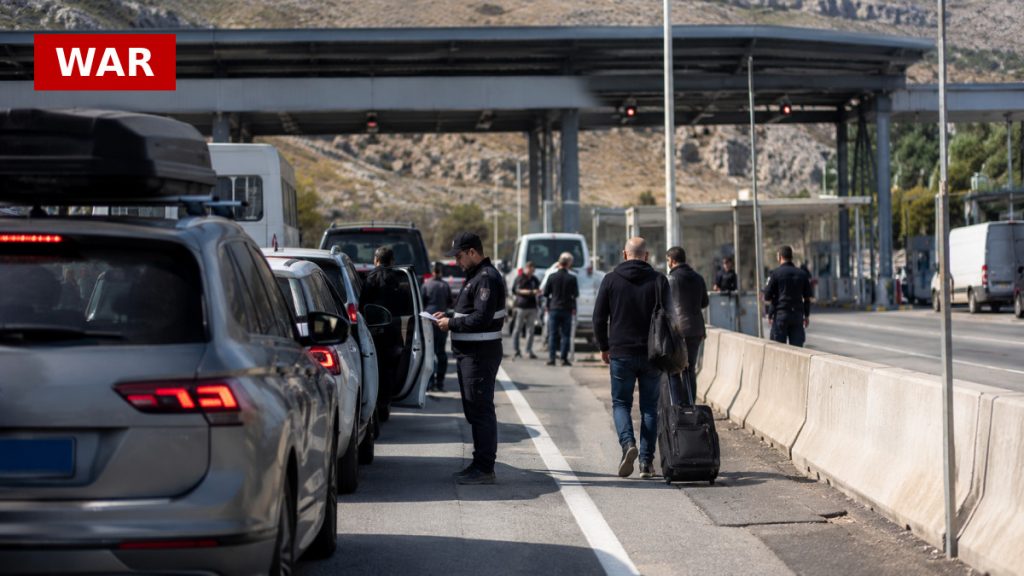
Documents recently declassified by Spain’s government reveal that the national intelligence agency issued warnings about a potential migration crisis just a day before over 70,000 migrants rushed the Ceuta border. This influx overwhelmed local authorities and highlighted vulnerabilities in EU border security, raising questions about preparedness and response strategies.
The urgency of these warnings, which included alerts about social media calls for mass entries, underscores a significant gap in communication between intelligence agencies and military or defence authorities. Prime Minister Pedro Sanchez stated that the scale of the crisis was not anticipated, suggesting systemic failures in crisis management.
In response to the crisis, the European Union has allocated €115 million in emergency funds to enhance border security and improve migrant screening facilities. This funding aims to bolster surveillance and infrastructure, reflecting a shift in EU policy towards stricter border control amid rising migration pressures.
The incident has not only strained relations within the EU but also prompted investigations into whether Moroccan authorities played a role in facilitating the mass migration. The implications for future EU migration policy and international relations could be profound, particularly as member states grapple with the ongoing challenges of illegal migration and border security.
Source: DW News