Spoken word poetry is experiencing a surge in popularity, particularly among younger audiences. This trend is not just about artistic expression; it reflects a growing need for individuals to voice their experiences and emotions in a politically charged environment. Poets like Georgia Griffiths from Merthyr Tydfil highlight how their work serves as a form of therapy, helping them and their audiences navigate complex feelings surrounding issues such as identity and social justice.
The accessibility of platforms like Instagram and TikTok has transformed poetry into a communal experience, with hashtags like #Poetry generating millions of posts. This digital space allows poets to reach wider audiences, breaking down barriers that traditionally limited the art form to specific demographics. As more people engage with poetry, it fosters a sense of community and shared understanding, particularly for those from working-class backgrounds.
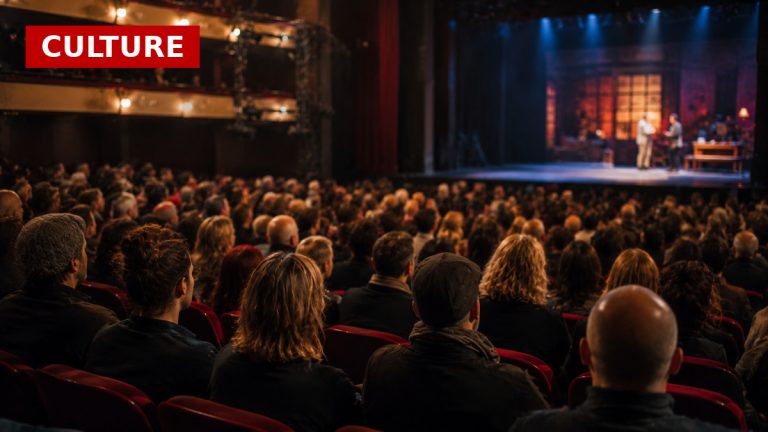
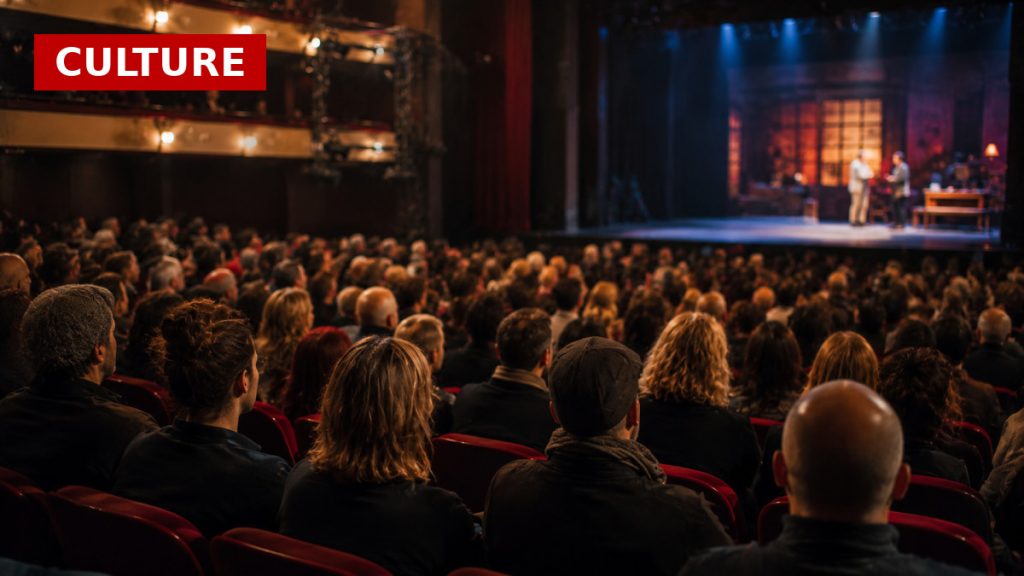
Moreover, the rise of poetry events across the UK indicates a cultural shift towards valuing personal narratives. Events are becoming more frequent, encouraging individuals to share their stories and connect with others. This movement not only empowers poets but also enriches the cultural landscape, making poetry a vital part of contemporary discourse.
As this trend continues, it may lead to broader societal changes, encouraging more people to express themselves creatively. The impact of spoken word poetry could extend beyond the stage, influencing how communities engage with art and each other, ultimately reshaping cultural dialogues in the UK.
Source: BBC News