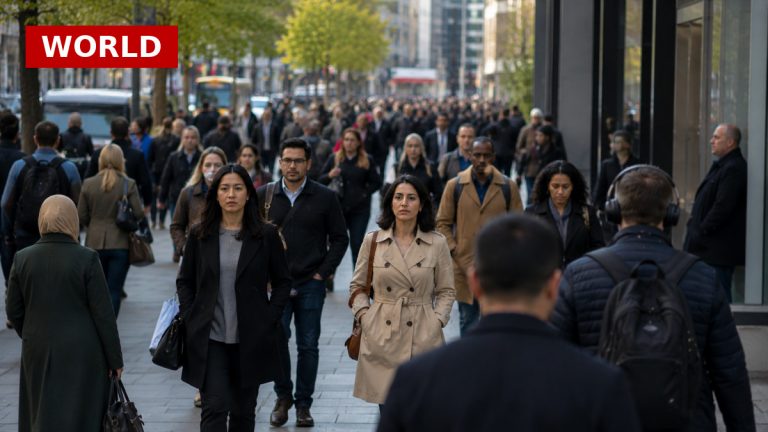
Recent anti-immigration protests in South Africa have highlighted a growing sentiment among citizens demanding the deportation of illegal migrants. Thousands took to the streets, blaming these individuals for various societal issues, including overstretched public services and rising crime rates. This movement, led by groups like March on March, has vowed to continue weekly demonstrations, indicating a sustained push for stricter immigration policies.
The protests have not only raised concerns about public safety but also about the treatment of migrants. Reports of armed groups targeting foreigners and landlords evicting tenants due to fear of mob violence have surfaced, revealing a troubling atmosphere for many living in South Africa. The government’s response has included increased police presence, but the underlying tensions remain unresolved.
As South African lawmakers consider tightening border controls, the implications of these protests extend beyond national borders. Countries like Malawi and Zimbabwe are now facing pressure as their citizens seek refuge or repatriation, complicating diplomatic relations. The situation reflects a broader trend of rising nationalism and anti-immigrant sentiment that could influence regional stability.
The protests serve as a warning sign of potential unrest and highlight vulnerabilities within South Africa’s social fabric. As the movement gains traction, it could lead to significant changes in immigration policy and impact the lives of many, both citizens and migrants alike.
Source: GB News