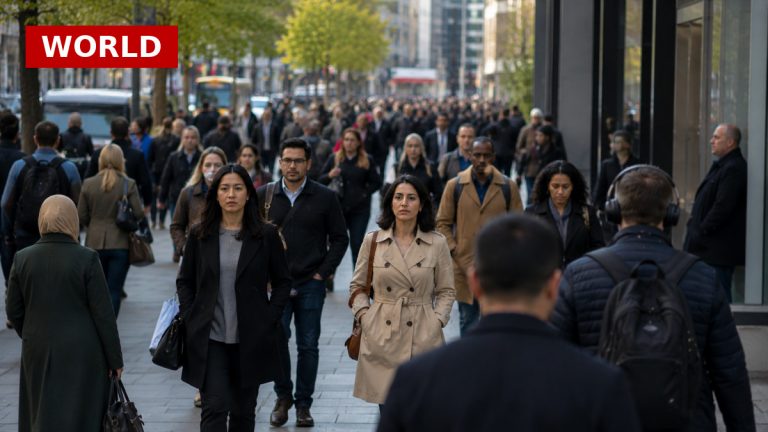
Israel is witnessing a significant wave of emigration, with nearly 270,000 citizens leaving over the past three years. This trend is largely driven by political instability and security concerns, particularly as the government shifts towards a more hardline stance. Many of those departing are highly educated and financially stable, raising alarms about the long-term implications for the country’s economy and innovation capacity.
The departure of skilled individuals could hinder Israel’s ability to compete globally, especially in sectors reliant on innovation. As the political climate grows increasingly polarized, the fear of a diminishing secular society and weakened institutions is prompting many to seek opportunities abroad. This emigration trend is not merely a temporary reaction to current events; it reflects deeper societal anxieties about the future of Israel.
The implications extend beyond individual choices, as the loss of a significant portion of the educated workforce could impact economic growth and societal cohesion. The government’s inaction in addressing these concerns may exacerbate the situation, leading to a potential brain drain that could reshape Israel’s demographic and economic landscape.
As the situation evolves, the challenge for Israel will be to retain its talent and foster an environment conducive to growth and stability. The ongoing emigration could redefine the nation’s identity and its place in the global arena, making it crucial for policymakers to respond effectively to these emerging trends.
Source: Al Jazeera