A recent poll indicates that four in five Britons are concerned that the ongoing conflict in Iran will lead to increased food prices. This anxiety stems from the blockade of the Strait of Hormuz, which has already driven up oil and gas prices, impacting the costs of shipping and distribution across various sectors, including food.
The rising prices are not solely due to the conflict itself but are exacerbated by the high energy costs that retailers face. As energy prices soar, retailers are likely to pass these costs onto consumers, leading to higher grocery bills. The British Retail Consortium has highlighted that the government must act to alleviate these energy costs, as other countries have already begun to do.
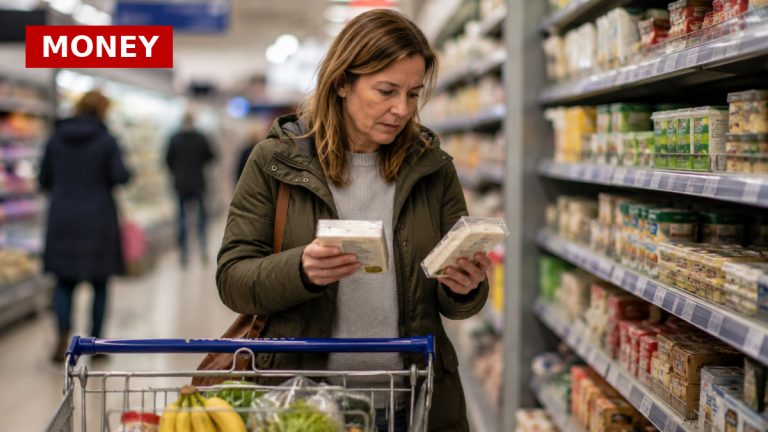
For UK consumers, this means that grocery prices could rise significantly in the coming months, with food inflation projected to reach 7% by year-end. The impact will be felt most acutely in everyday shopping, as families may find their budgets stretched further due to these unavoidable price increases.
Looking ahead, consumers should monitor government actions regarding energy costs for retailers. The window for effective intervention is closing, and any delay could lead to even steeper price hikes in supermarkets, affecting household budgets across the UK.
Sources
theguardian.com