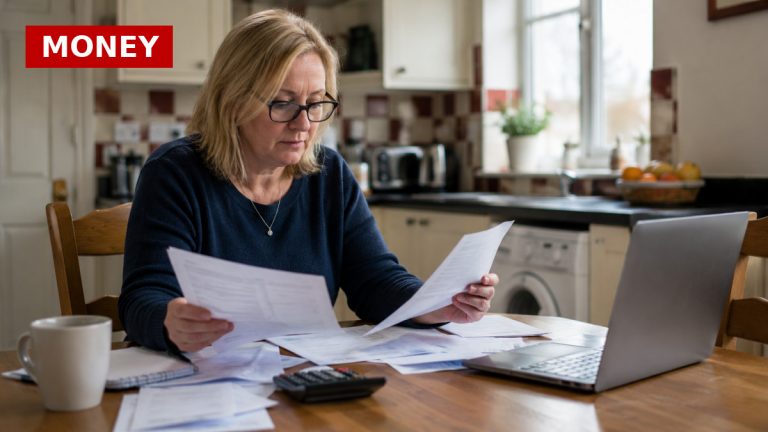
As inflation in the UK rises to 3.1%, families are feeling the squeeze on their finances. Many are now contemplating taking on additional work just to make ends meet. Emma Ashfield, a nursery worker and mother, shared her struggles with the escalating costs of everyday essentials like food, clothing, and energy. She noted that with her daughter’s growing needs, the financial burden is becoming overwhelming, leading her to consider a second job.
The rising cost of living is not only impacting individual households but is also affecting businesses, particularly in the hospitality sector. Selina Horshi, managing director of a hotel in Northern Ireland, highlighted how increased energy prices and food costs are squeezing profit margins. As households have less disposable income due to rising expenses, spending on hospitality is likely to decline, further impacting businesses reliant on consumer spending.
With winter approaching, the prospect of higher energy bills adds another layer of stress for families. Many are already struggling to afford heating, which is expected to rise significantly this season. This situation raises concerns about how families will manage their budgets and whether they will need to cut back on non-essential expenses.
The broader implications of rising inflation could lead to shifts in consumer behaviour, as families prioritise basic needs over discretionary spending. This could result in a cycle of reduced spending that affects businesses and the economy as a whole, highlighting the interconnectedness of household finances and wider economic health.
Source: BBC News