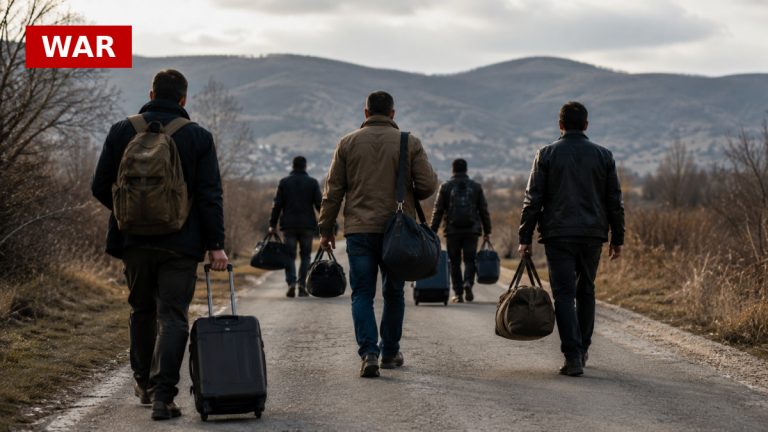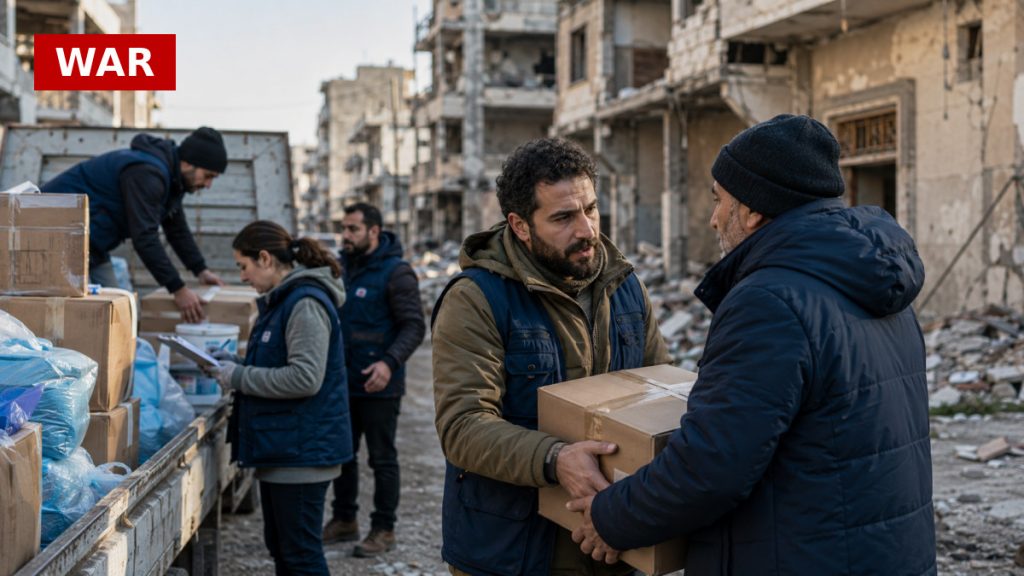
Recent Russian strikes on a train near the Poland-Ukraine border have heightened tensions in the region, prompting accusations of escalation from both Poland and Ukraine. The attack occurred just two kilometres from Poland, coinciding with the presence of high-profile Western officials, including former UK Prime Minister Boris Johnson. While no casualties were reported, the incident underscores the increasing proximity of Russian military actions to NATO territory, raising concerns about regional security.
Polish President Donald Tusk highlighted the growing threat posed by Russia’s advanced long-range strike drones, which are more difficult to intercept than older models. This escalation is alarming for Poland, which has been a key transit point for military and humanitarian aid to Ukraine. The Polish Foreign Minister has called for allies to enhance their support for Ukraine in light of these developments, emphasizing the direct implications for Polish safety.
The incident is a stark reminder of previous close calls, including a 2022 missile strike that killed two people in Poland. As the conflict continues, the potential for miscalculation or accidental escalation remains high, particularly with the ongoing military aid flowing into Ukraine from Western nations.
In a broader context, the attack reflects the ongoing struggle between Ukraine and Russia, with implications for global energy markets. As Ukraine targets Russian oil infrastructure, the repercussions are felt worldwide, including rising fuel prices in the US. The situation remains fluid, and the international community is urged to remain vigilant as tensions escalate at the border.
Source: Al Jazeera