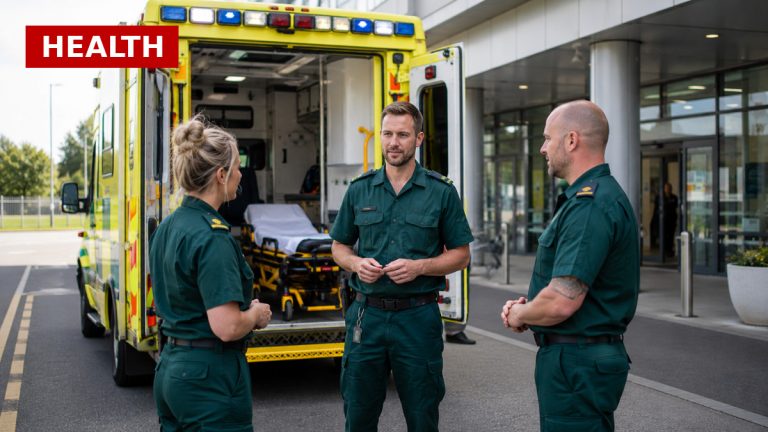
The closure of local maternity units in rural areas like Devon and Cornwall is forcing pregnant women to travel long distances to give birth, raising serious safety concerns. With the North Devon district hospital now closed, women are required to journey to Exeter or Taunton, which can take over an hour, often exacerbated by traffic delays. This situation is not isolated; similar issues are reported in south Cumbria and Caithness, where expectant mothers face two-hour trips to the nearest hospitals.
The implications of these closures extend beyond immediate access to care. They can deter young professionals from moving to these regions, impacting local healthcare and education sectors. As maternity services dwindle, communities may struggle to attract and retain essential workers, further exacerbating the healthcare crisis in these areas.
Moreover, the lack of nearby facilities increases the risk of complications during childbirth. Women may find themselves in precarious situations, such as giving birth in their cars or on the roadside, which could have dire consequences for both mother and child. The urgency of this issue has prompted calls for the reintroduction of national maternity standards, highlighting the need for immediate action to address the chronic shortage of midwives and restore local services.
As the health secretary plans to tackle these challenges, the long-term effects of maternity unit closures could reshape rural communities, making them less viable for families and impacting the overall health landscape in the UK. The situation underscores the critical need for accessible healthcare services, especially for vulnerable populations like expectant mothers.
Source: The Guardian