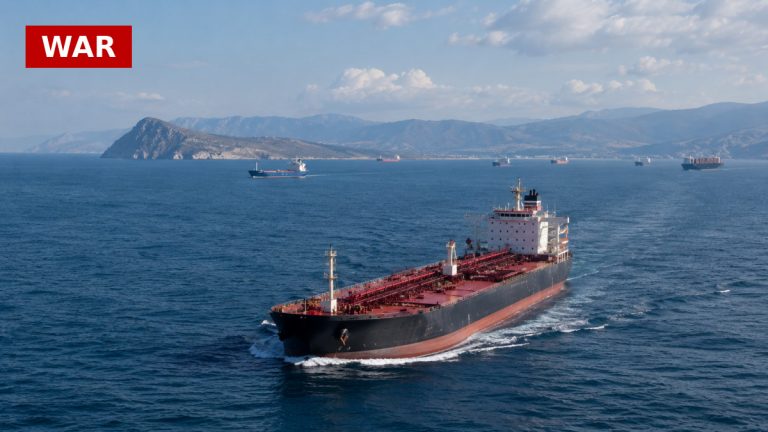
The recent passage of a sweeping sanctions bill by the US Congress is set to significantly impact international relations, particularly concerning Russia and Iran. This legislation not only targets Russian officials and financial institutions but also introduces new tariff powers for President Trump, allowing him to impose tariffs of up to 100% on countries purchasing Russian energy. This could lead to increased economic strain on nations like China and India, which have been major buyers of Russian oil and gas.
The bill’s bipartisan support reflects a strong commitment among US lawmakers to apply pressure on Moscow amidst its ongoing war against Ukraine. However, the additional tariff authority has raised concerns among some Democrats who fear it could inadvertently affect US allies in Europe, who still rely on Russian energy imports. This highlights a delicate balance in US foreign policy, where the need to support Ukraine must be weighed against the potential fallout for European partners.
As the legislation moves to the Trump administration for implementation, its effectiveness will depend on how these new powers are utilized. Lawmakers are keen to monitor the administration’s actions, emphasizing that sanctions alone will not suffice to resolve the conflict. The focus will also be on ensuring that the sanctions are enforced swiftly to maximize their impact on Russia’s war efforts.
This development marks a pivotal moment in US foreign policy, as it signals a renewed commitment to countering Russian aggression and holding Iran accountable for its actions. The implications of these sanctions could reshape energy markets and international alliances, making it crucial for observers to watch how this unfolds in the coming months.
Source: Radio Free Europe/Radio Liberty