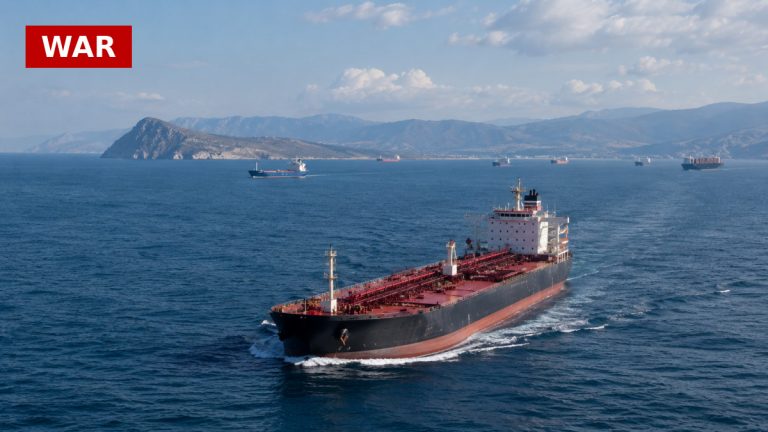
The recently unveiled Sanctioning Russia Act of 2026 by a bipartisan group of US senators aims to significantly impact Moscow’s war financing. While the legislation seeks to impose tariffs on Russian energy exports, its implications extend beyond immediate economic measures. By targeting the financial underpinnings of Russia’s aggression in Ukraine, the bill could weaken the Kremlin’s ability to sustain its military operations.
One notable change in this revised legislation is the shift from broad tariffs to more focused sanctions, allowing exemptions for countries making efforts to reduce reliance on Russian energy. This nuanced approach demonstrates an effort to balance economic pressure on Russia while minimizing collateral damage to US allies, potentially maintaining international support against aggression.
The bill’s passage could also have indirect effects on global energy markets, as nations reassess their energy dependencies. By emphasizing sanctions against Russia’s oil and gas sector, the US is sending a clear message to other countries about the risks associated with engaging with Russia, potentially reshaping energy alliances.
In light of recent political events, including Senator Lindsey Graham’s death, the urgency to pass this legislation has intensified. This act not only serves as a tribute to Graham’s legacy but also highlights the ongoing commitment of US lawmakers to address the consequences of Russia’s actions on the global stage.
Source: Radio Free Europe/Radio Liberty