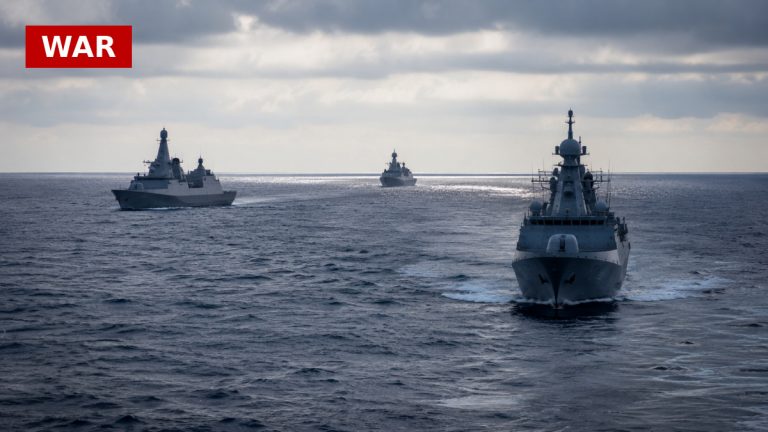
Saudi Arabia is forming an international coalition to protect the Red Sea, a crucial shipping route threatened by Iran-backed Houthi attacks. This coalition aims to secure maritime trade, particularly as tensions escalate in the region, impacting global energy prices and supply chains. The Houthis have already imposed a blockade, disrupting oil shipments and threatening to charge tolls on vessels passing through the Bab al-Mandeb Strait, a vital chokepoint for global oil exports.
The coalition, which could include countries like the US, Egypt, and several European nations, is set to be headquartered in Riyadh. This move reflects Saudi Arabia’s urgent need to safeguard its maritime interests amid ongoing conflicts that have forced it to reroute oil exports through the Red Sea. With the Houthis controlling key ports, the coalition’s formation could significantly alter shipping dynamics and energy flows in the region.
As the coalition develops, its implications extend beyond immediate security concerns. The potential for increased military presence in the Red Sea may heighten tensions with Iran, which could retaliate against perceived threats to its influence. This situation underscores the delicate balance of power in the region and the interconnectedness of global energy markets.
The formation of this coalition signals a proactive stance by Saudi Arabia, aiming to deter further Houthi aggression while ensuring the stability of one of the world’s most important maritime routes. The outcomes of this initiative could reshape not only regional security but also the global energy landscape, affecting prices and availability for consumers worldwide.
Source: Al Jazeera